Trekking in remote areas: venturing far, safely and with pleasure

Trekking in remote areas: venturing far, safely and with pleasure

Going trekking in remote areas means choosing to escape the noise of the world, to hike for several days in the mountains through landscapes where every step reveals a raw and authentic nature. So how do you prepare for this demanding adventure that combines wild landscapes, intense physical exertion, and sometimes profound solitude? What skills do you really need to master to make this challenge a rich and vibrant adventure while remaining vigilant against potential dangers?

What is trekking in remote areas and why does it differ from a classic hike?

Trekking is characterized by prolonged walking over several days with all one's equipment on one's back, often in remote areas, sometimes in high mountains. Unlike hiking, which can be limited to a few hours, trekking demands sustained physical and mental effort.

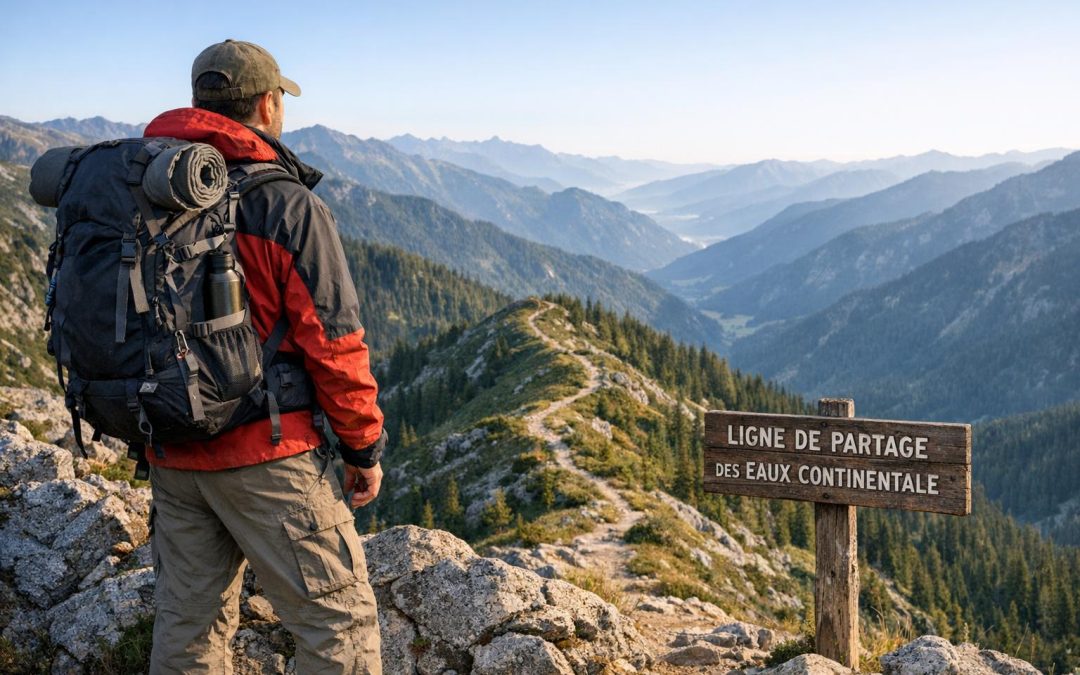
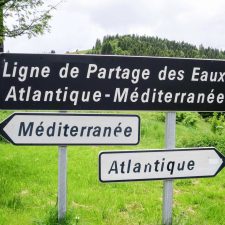
Self-reliance is at the heart of this experience: carrying a heavy pack, managing sometimes unpredictable terrain, and adapting to capricious mountain weather. The European watershed, also known here as the European hydrological ridge, is an iconic route that crosses 15 countries, revealing exceptional natural and cultural richness.

How to choose the right shoes for trekking in remote areas?

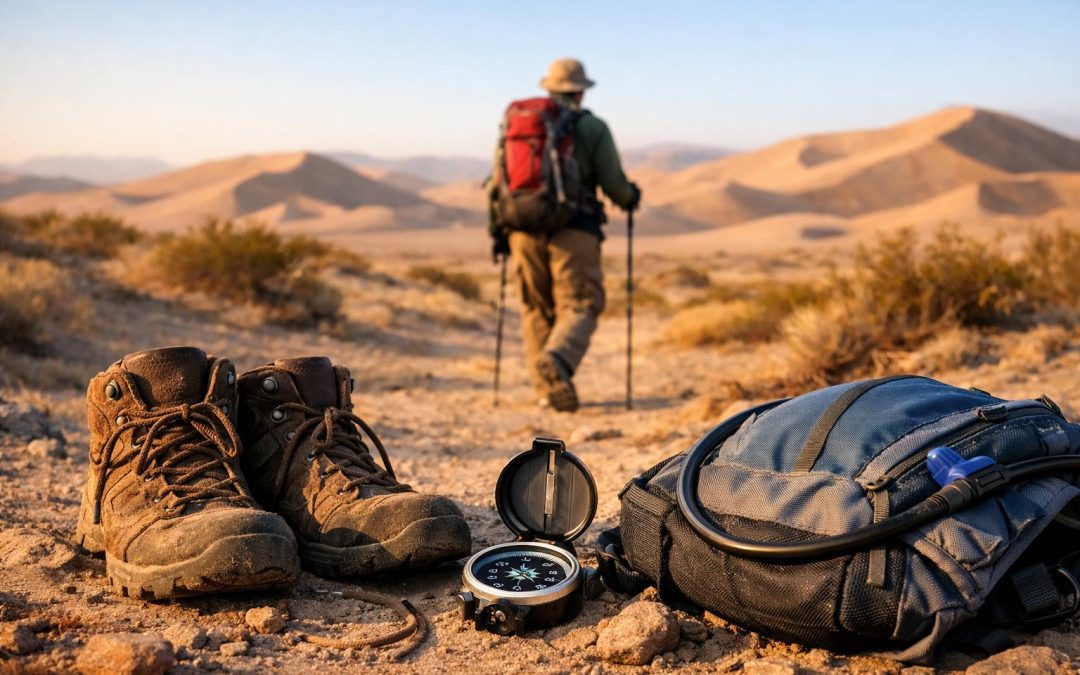
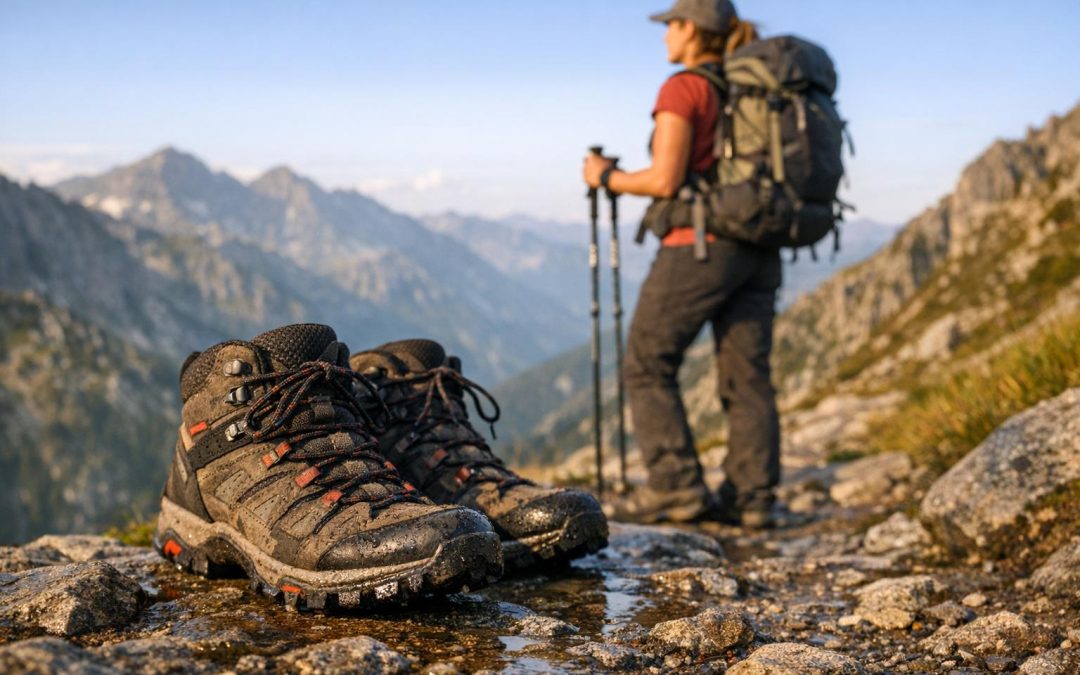
Choosing the right shoes is vital, especially when venturing into remote areas. Good arch support is essential, the sole must be robust enough to handle often uneven terrain, and waterproofing is a crucial advantage against the elements.

It can be tempting to opt for lightweight models, but these can quickly tire your feet. For mountaineering, you should look for technical shoes with optimal ankle support and a fit adapted to the shape of your foot.

Taking care of your shoes is also crucial to preserve their grip and comfort, and thus avoid unnecessary injuries and discomfort.

What navigation equipment should be used when GPS fails?

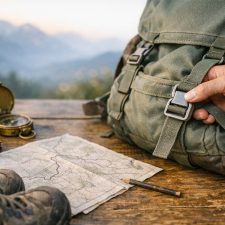
In remote areas, relying solely on GPS is a risky gamble. The signal can be lost, the battery can run out. It is essential to master traditional tools: topographic map, compass, altimeter. These instruments remain the best safeguard against unforeseen circumstances.

Knowing how to read a map, interpret the terrain, and navigate in a sometimes disorienting environment makes all the difference. On this natural backbone that is the European watershed, these ancestral skills are invaluable.

How to manage your water supply on a ridge without a spring?

In the remote wilderness, finding water can quickly become a major concern. Careful preparation is key to anticipating this difficulty. Knowing your exact route, identifying water sources on maps, and estimating the amount of water to carry are essential steps.

You may sometimes need to carry a heavier pack to ensure you stay hydrated. Portable filters and other purification solutions can make water from springs or puddles drinkable, but their use should remain cautious and controlled.

Outdoor First Aid Guide: An Essential Tool for Every Trekker

Trekking in remote areas exposes you to various risks. A guide specializing in wilderness first aid then becomes an invaluable ally. Suitable for both beginners and experienced trekkers, they demonstrate clear procedures to follow in case of an emergency.

This manual covers the management of injuries, poisonings, and illnesses related to altitude or cold, providing a solid foundation for acting effectively away from immediate help.

The third edition, published by renowned expert Baptiste Verhamme, enriches this guide with practical tips and advice tailored to real-world conditions. This book is available in specialist bookstores and online; a recommended investment before any expedition.

Each trek has its own requirements: what style of trekker are you?

The approach to trekking varies according to aspirations and abilities. The choice of route, equipment, and physical and mental preparation are all tailored to your objectives. Have you ever considered your trekking profile?

Are you passionate about long walks in nature, able to face solitude and exertion? Or do you prefer a balance between adventure and comfort? This self-reflection is key to choosing a suitable route, avoiding over-equipment or, conversely, under-equipment.

Europe on the wire embodies a demanding and authentic approach on a mythical watershed, an experience rich in discoveries, efforts and technical challenges.

Preparing your body and mind: techniques and tips for a successful trek

Rigorous physical preparation is necessary, especially in high mountains. Strengthening the legs, supporting the arches of the feet, and learning to manage breathing at altitude are all essential elements.

Accepting the difficulty, the long hours of walking, the fatigue, is to fully immerse oneself in the spirit of trekking. But it's also about listening to your body and adapting your pace. Trekking is above all an experience of personal growth, a blend of challenge and pleasure.

Respecting the environment and ensuring safety in isolated areas

Trekking impacts nature: trail erosion, waste, and disturbance of wildlife are issues that every trekker must consider.

Adopting the “Leave No Trace” philosophy is a responsible and necessary act: prepare your route, leave nothing behind, respect natural cycles and stay on marked trails.

It is also a collective safety measure: informing a loved one of your route, monitoring weather conditions, knowing your physical limits.

Practical summary: essential equipment for trekking in remote areas

  • Technical footwear suitable for the mountains
  • Synthetic and insulating clothing, suitable for cold conditions
  • Traditional navigation equipment (map, compass, altimeter)
  • Outdoor First Aid Guide
  • Water filter or purification system
  • Minimal but effective bivouac equipment
  • Ergonomic backpack adapted to the carrying weight

Each element is selected to guarantee safety and comfort without unnecessarily weighing down the bag.

Europesurlefil: an authentic adventure on the European watershed

Following the European hydrological ridge through 15 countries means immersing yourself in a mosaic of diverse, often wild, and profoundly inspiring landscapes. Europesurlefil offers a demanding and immersive vision of trekking, far beyond the usual trails.

These routes reveal that trekking is more than just physical activity: it's an intimate encounter with nature, history, and European cultural diversity. With proper preparation, appropriate equipment, and the right reflexes, everyone can enjoy this unique experience safely and with pleasure.
Europesurlefil: exploring hiking on the European Continental Divide in Europe

Europesurlefil: exploring hiking on the European Continental Divide in Europe

Exploring Europe on foot means immersing yourself in a fascinating mosaic of landscapes, cultures, and histories. From Alpine peaks to remote valleys, from forgotten trails to paths steeped in legend, hiking the European Continental Divide offers a rich and unique adventure. This cross-border route follows the watershed line that traverses 15 countries, inviting you to an authentic and comprehensive experience, both athletic and cultural. How do you choose your itinerary and prepare to fully enjoy this adventure? Here's a tailored overview to guide you.

The European Continental Divide: a unique cross-border adventure

The European Continental Divide is not just a trail; it's a true hydrological backbone that traverses a large part of Europe. Following its path, you'll discover not only diverse landscapes—mountains, forests, plateaus—but also a deep connection to local geography and traditions. This watershed links territories and communities, creating a hiking experience that transcends national borders.

Europe on the wire It celebrates this richness by offering immersive experiences, alternating between natural discoveries, encounters, and varied activities adapted to different levels. The adventure then becomes a journey that is both intimate and collective, athletic and contemplative.

How to choose the best route on the European Continental Divide?

Choosing a section of the European Continental Divide is about defining your desires and capabilities. Here are the essential criteria to guide your choice:

  • Difficulty level: The routes range from family-friendly walks on accessible trails to more demanding stages with significant elevation gains. Consider your physical condition and don't underestimate the fatigue you'll accumulate over several days.
  • Duration : You can opt for a one-day hike to sample the scenery or commit to several stages, depending on the time available and your desire for immersion.
  • Atmosphere and scenery: Each region crossed by the watershed line offers a particular character, between dense forests, alpine ridges, green valleys or airy plateaus.
  • Equipment and season: Adapt your equipment to the weather and terrain to hike light but prepared, especially in the mountains where the climate changes quickly.

The must-sees of European hiking and their connection to Europesurlefil

Among the famous routes, some intersect or are inspired by the European Continental Divide:

Hiking Country Duration Level Strengths
Tour du Mont Blanc France, Switzerland, Italy 10 to 12 days Moderate to difficult Impressive alpine views, comfortable stages, diverse landscapes
West Highland Way Scotland 6 to 8 days Moderate Wild spaces, mountains and lochs, Scottish heritage
GR20 Corsica France (Corsica) 14 to 16 days Difficult Steep ridges, unspoiled nature, technical challenges
Cinque Terre Italy 1 to 3 days Easy to moderate Coastal paths and colorful villages
Trolltunga Norway 1 day (10 to 12 hours) Difficult Spectacular cliffs, Nordic landscapes

Europesurlefil also encourages people to get away from the classic paths to explore less frequented routes, directly linked to the watershed, offering calm and contemplation away from the crowds.

Preparing for a long hike on the European Continental Divide

To undertake this type of adventure, rigorous preparation is essential:

  1. Know the route: Analyze several maps and guides to get a good visual of the route, the stages and the difficulties.
  2. Assessing one's abilities: Take into account your physical condition and experience to avoid surprises.
  3. Choosing the equipment: Opt for a lightweight bag with the essentials: suitable shoes, technical clothing, navigation and safety equipment.
  4. Arranging accommodation: Book mountain huts, guesthouses or campsites in advance, especially during peak season.
  5. Follow the weather: Monitor the forecast and be prepared to adjust your route in case of bad weather.

Adopting a sustainable pace and taking the time to appreciate the scenery are also key to fully enjoying the experience.

Best season and appropriate equipment for hiking on the watershed

May to October remains the ideal time for most routes, thanks to moderate temperatures and long days. However, conditions can vary depending on the altitude and region.

  • For high mountaineering: Summer is preferable, with an optimal departure time in June-July.
  • For temperate regions: Spring and autumn often offer a calmer atmosphere and colorful landscapes.

In terms of equipment, don't forget:

  • Sturdy shoes suitable for the terrain.
  • Comfortable and functional backpack.
  • Technical clothing to manage climatic variations.
  • Maps, GPS or navigation apps.
  • First aid kit, headlamp, sun protection.
  • Adequate hydration and nutrition.

A selection of reliable guides and practical advice

A good hiking guidebook should be accurate, clear, and up-to-date. Look for books published by the European Ramblers' Federation (ERA) or by recognized specialists.

  • Detailed descriptions of the stages, distances and elevation gains.
  • Accurate and up-to-date maps.
  • Practical information: accommodation, weather, equipment.
  • Cultural and ecological contribution for a better understanding and respect of the environments traversed.

Europesurlefil particularly recommends guides that incorporate a cross-border, ecological and immersive approach, in line with the spirit of the European Continental Divide.

Family hikes on the European Continental Divide

More accessible sections also allow the whole family to enjoy nature safely. Choose short routes with little elevation gain, close to welcoming villages or mountain huts.

  • Colorful coastal trails like those of Cinque Terre.
  • Gentle walks in the French Alps.
  • Explorations in Scotland with nearby cultural points of interest.

These experiences represent an ideal first discovery for young and old, keeping the common thread of the watershed.

Conclusion: committing to the watershed line with Europesurlefil

The European Continental Divide is much more than a route; it's an invitation to a rich and shared adventure across Europe. Europesurlefil accompanies you to discover this hydrological and cultural thread, in an immersive and nature-respecting approach.

Whatever your project, choose a suitable guide, prepare your equipment carefully, and let yourself be carried away by the diversity of landscapes and experiences. This cross-border adventure is a wonderful way to rediscover Europe in a different light.

To learn more about the routes and fully experience this, also explore our other articles on Europesurlefil Blog .

Trekking to discover heritage: exploring the soul of Europe on foot

Trekking to discover heritage: exploring the soul of Europe on foot

Walking is not simply about moving from point A to point B; it's about encountering a living history, immersing oneself in landscapes and cultures that tell the stories of the past and present. Heritage trekking offers this rare experience: traversing trails where each step reveals a cultural or natural treasure , a legend, or a tradition. Rather than chasing after frozen monuments, it is along the paths, in the heart of territories shaped by time, that an authentic adventure unfolds.

What are the ideal routes for combining hiking and cultural discovery?

The dream of the hiker passionate about heritage is a route where nature and history intertwine, where every turn reveals a site, a craft, a monument, or an iconic landscape. In Europe, numerous heritage trails are designed to showcase vernacular architecture and historical treasures. For example, the nature and heritage discovery trail in Les Contamines-Montjoie offers an 8.6 km loop that delves into the village's past while exploring its natural riches.

Similarly, routes like the Douvaine heritage trail These trails are accessible to everyone, even families with strollers, offering a gentle and immersive way to discover local heritage. They provide numerous opportunities to slow down and see things differently. Choosing a tour that combines hiking and cultural discovery means opting for a trip that nourishes both body and mind.

How to organize a trekking trip focused on discovering heritage?

Planning a trek that blends natural exploration with cultural immersion requires preparation that goes beyond a simple equipment list. It's essential to factor in time spent visiting historical sites, understand the best seasons to fully appreciate the landscapes, and consider the seasonal cultural dimension (festivals, traditional markets, local exhibitions).

It is also helpful to learn about the specialist guides who accompany these routes, as they can offer unique insights into the history, traditions, and specific characteristics of the places you pass through. Often, it is they who transform a simple hike into a true immersion in the soul of a region.

Finally, for a successful trip, having the right equipment is essential. Comfort and practicality are paramount, especially for those who wish to explore sites sometimes off the beaten track. Sturdy shoes, a well-chosen backpack, and a guidebook detailing the cultural highlights are invaluable allies.

Which European regions best showcase this type of heritage trekking?

Europe abounds with lands where walking rhymes with memory. Along the famous watershed, recounted by Europesurlefil , the trace of the European Continental Divide, one traverses exceptional landscapes where history and nature intertwine. From the Alpine massifs sheltering vestiges of Antiquity to the rolling hills dotted with villages boasting vernacular architecture, the possibilities are immense.

Among the must-see treasures, the trails in the Vanoise and Ardèche regions offer the chance to discover Neolithic settlements, typical dry-stone structures, and fascinating prehistoric sites. Exploring these places within the framework of the European Continental Divide means understanding how humankind has shaped its environment over the centuries. Routes like the 4.4 km Les Condamines prehistoric discovery trail in Trigance invite you on a journey through 50,000 years of human and landscape history.

How does trekking to discover heritage enrich our travel experience?

This type of trekking goes far beyond a simple sporting activity. It offers an immersive experience that gives a unique depth to each stage. As you walk, you perceive other dimensions: the taste of local traditions, the richness of a living heritage, and the emotion linked to discovering breathtaking landscapes.

The traveler then becomes a sensitive explorer, capable of appreciating the raw beauty of a natural site while grasping the historical or cultural value that permeates it. It is a dialogue between nature and humankind, a sharing that gives meaning to this physical effort. Europesurlefil, the route of the European Continental Divide, perfectly embodies this demanding, cross-border vision, offering a long-distance adventure aligned with the hydrological and cultural backbone of the continent.

What are the best seasons and difficulty levels for these heritage hikes?

The choice of season greatly influences the quality of the experience. For heritage trekking, the ideal time is often when the trails are passable and the weather is pleasant, generally spring, summer, and early autumn. In the mountains, late snowfalls and intense summer heat should be avoided, while in more temperate regions, each season offers its own unique cultural and natural atmosphere.

Regarding difficulty, the heritage trails offer a variety of routes, ranging from easy family walks to more challenging treks. This diversity allows everyone to find a suitable route, whether it's a simple cultural jog or a long multi-day hike.

Where to start your next trek to discover the heritage?

If you're looking for an adventure that combines cultural discoveries and exceptional landscapes, Europesurlefil invites you to follow the European Continental Divide. This long route, crossing 15 countries, is an invitation to explore the hydrological and historical roots of Europe on foot, offering a unique experience for lovers of trekking and heritage.

Whether you're looking for a solo trip or a group getaway, marked trails or more secluded paths, the terrain for adventure is vast. By following this unique route, each step brings you closer not only to breathtaking scenery, but also to a rich and authentic cultural heritage.

Trekking to discover heritage: exploring the soul of Europe on foot

Trekking to discover heritage: exploring the soul of Europe on foot

Walking is not simply about moving from point A to point B; it's about encountering a living history, immersing oneself in landscapes and cultures that tell the stories of the past and present. Heritage trekking offers this rare experience: traversing trails where each step reveals a cultural or natural treasure , a legend, or a tradition. Rather than chasing after frozen monuments, it is along the paths, in the heart of territories shaped by time, that an authentic adventure unfolds.

What are the ideal routes for combining hiking and cultural discovery?

The dream of the hiker passionate about heritage is a route where nature and history intertwine, where every turn reveals a site, a craft, a monument, or an iconic landscape. In Europe, numerous heritage trails are designed to showcase vernacular architecture and historical treasures. For example, the nature and heritage discovery trail in Les Contamines-Montjoie offers an 8.6 km loop that delves into the village's past while exploring its natural riches.

Similarly, routes like the Douvaine heritage trail These trails are accessible to everyone, even families with strollers, offering a gentle and immersive way to discover local heritage. They provide numerous opportunities to slow down and see things differently. Choosing a tour that combines hiking and cultural discovery means opting for a trip that nourishes both body and mind.

How to organize a trekking trip focused on discovering heritage?

Planning a trek that blends natural exploration with cultural immersion requires preparation that goes beyond a simple equipment list. It's essential to factor in time spent visiting historical sites, understand the best seasons to fully appreciate the landscapes, and consider the seasonal cultural dimension (festivals, traditional markets, local exhibitions).

It is also helpful to learn about the specialist guides who accompany these routes, as they can offer unique insights into the history, traditions, and specific characteristics of the places you pass through. Often, it is they who transform a simple hike into a true immersion in the soul of a region.

Finally, for a successful trip, having the right equipment is essential. Comfort and practicality are paramount, especially for those who wish to explore sites sometimes off the beaten track. Sturdy shoes, a well-chosen backpack, and a guidebook detailing the cultural highlights are invaluable allies.

Which European regions best showcase this type of heritage trekking?

Europe abounds with lands where walking rhymes with memory. Along the famous watershed, recounted by Europesurlefil , the trace of the European Continental Divide, one traverses exceptional landscapes where history and nature intertwine. From the Alpine massifs sheltering vestiges of Antiquity to the rolling hills dotted with villages boasting vernacular architecture, the possibilities are immense.

Among the must-see treasures, the trails in the Vanoise and Ardèche regions offer the chance to discover Neolithic settlements, typical dry-stone structures, and fascinating prehistoric sites. Exploring these places within the framework of the European Continental Divide means understanding how humankind has shaped its environment over the centuries. Routes like the 4.4 km Les Condamines prehistoric discovery trail in Trigance invite you on a journey through 50,000 years of human and landscape history.

How does trekking to discover heritage enrich our travel experience?

This type of trekking goes far beyond a simple sporting activity. It offers an immersive experience that gives a unique depth to each stage. As you walk, you perceive other dimensions: the taste of local traditions, the richness of a living heritage, and the emotion linked to discovering breathtaking landscapes.

The traveler then becomes a sensitive explorer, capable of appreciating the raw beauty of a natural site while grasping the historical or cultural value that permeates it. It is a dialogue between nature and humankind, a sharing that gives meaning to this physical effort. Europesurlefil, the route of the European Continental Divide, perfectly embodies this demanding, cross-border vision, offering a long-distance adventure aligned with the hydrological and cultural backbone of the continent.

What are the best seasons and difficulty levels for these heritage hikes?

The choice of season greatly influences the quality of the experience. For heritage trekking, the ideal time is often when the trails are passable and the weather is pleasant, generally spring, summer, and early autumn. In the mountains, late snowfalls and intense summer heat should be avoided, while in more temperate regions, each season offers its own unique cultural and natural atmosphere.

Regarding difficulty, the heritage trails offer a variety of routes, ranging from easy family walks to more challenging treks. This diversity allows everyone to find a suitable route, whether it's a simple cultural jog or a long multi-day hike.

Where to start your next trek to discover the heritage?

If you're looking for an adventure that combines cultural discoveries and exceptional landscapes, Europesurlefil invites you to follow the European Continental Divide. This long route, crossing 15 countries, is an invitation to explore the hydrological and historical roots of Europe on foot, offering a unique experience for lovers of trekking and heritage.

Whether you're looking for a solo trip or a group getaway, marked trails or more secluded paths, the terrain for adventure is vast. By following this unique route, each step brings you closer not only to breathtaking scenery, but also to a rich and authentic cultural heritage.

European Continental Divide: a trek through unspoiled and little-known landscapes

European Continental Divide: a trek through unspoiled and little-known landscapes

Embark on a journey along the European Continental Divide , the watershed that crosses fifteen European countries and connects mountains, rivers, and valleys often overlooked by the general public. This long-distance trekking route invites you to explore wild and sparsely populated territories, far from traditional itineraries, offering a profound immersion into the natural and cultural diversity of the continent.

Why choose the European Continental Divide route for your adventure?

Choosing this route represents much more than a simple trek: it's a link between different environments, from the Alps to the Carpathians, via the Pyrenees, highlighting Europe's rich hydrological resources. This unique path offers a rare combination of authenticity and discovery, in diverse settings where flora and fauna often thrive far from excessive human activity.

Regions like the Queyras or the Upper Roya Valley in the Mercantour National Park reveal distinctive landscapes and unique atmospheres, while lesser-known massifs like the Platé or parts of Crete complete this picture with unusual panoramas and a close connection to unspoiled nature. Each stage of the journey immerses the trekker in a true geographical and cultural adventure.

The iconic trails of the European Continental Divide across Europe

The route crosses some fifteen countries, offering spectacular diversity: from the Swiss and French Alps to the mountains of Slovakia and Romania, each section has its own unique characteristics. Some sections take place at high altitude, requiring good physical preparation, while others wind through hidden valleys or karst areas.

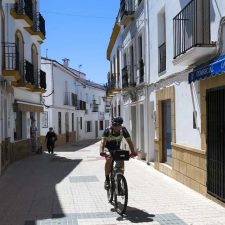
The richness of the landscapes combines with a variety of possible activities: hiking, trail running, mountain biking, ski touring, and bikepacking. This versatility makes the European Continental Divide route a route that suits many types of adventurers, while celebrating biodiversity and local history.

Preparing for the trek on the European watershed

Tackling the European Continental Divide requires specific preparation: physical condition adapted to the elevation changes and long distance, in-depth knowledge of the topography, mastery of orientation techniques, and the ability to manage the varying climatic hazards depending on the regions crossed.

It is essential to have a precise topographic map and modern navigation tools (GPS, compass), and to carry a suitable first-aid kit. Safety is paramount on these often isolated routes, making preparation and caution essential.

Recommended equipment for hiking the European Continental Divide

The varied conditions encountered on this route require carefully chosen equipment:

  • Sturdy shoes, adapted to rough and changing terrain.
  • Technical clothing layered, to counter the weather variations ranging from summer heat to cold winds at altitude.
  • Enhanced sun protection, considering prolonged exposure in high mountains.
  • Navigation equipment Reliable: GPS, detailed maps, compass.
  • First aid kit complete including care for blisters and minor injuries.

Safety tips for hiking on the watershed

Informing a contact of your itinerary and schedule remains essential. Checking local weather forecasts before each leg of your journey and carrying emergency communication equipment such as a satellite phone or GPS tracking device are all factors that increase your safety.

Hiring local guides, experts in the regions you are traveling through, can also enrich your experience and add an extra dimension to your knowledge of the terrain and cultures.

The ideal time to travel the European Continental Divide

Spring and autumn are ideal seasons to enjoy mild weather, fewer crowds, and landscapes bursting with color and blooms. Summer offers a safer window in the high mountains but can bring sudden thunderstorms. As for winter, it requires specialized preparation for winter activities such as ski touring.

Europesurlefil: a privileged guide for your crossing of the European Continental Divide

Europe on the wire is dedicated to discovering and promoting this exceptional route. The blog offers expert insights into the different stages, with practical advice, detailed accounts, and in-depth knowledge of the specific conditions related to the European Continental Divide. It also gathers practical information on trail running, mountain biking, ski touring, and bikepacking along this major European waterway.

Beyond simple itineraries, Europesurlefil highlights the cultural and environmental dimension of this path, offering a comprehensive approach that enriches this unique long-distance adventure.