European Continental Divide: Mountain biking routes and cultural immersion in Europe

European Continental Divide: Mountain biking routes and cultural immersion in Europe

Imagine a mountain biking adventure that transcends mere athletic performance or scenic beauty. It immerses you deeply in European culture. These mountain bike routes, linked to the European watershed, offer a unique blend of authentic villages, historical sites, and unspoiled nature, for an unforgettable European journey.

Why take a mountain biking route along the European watershed?

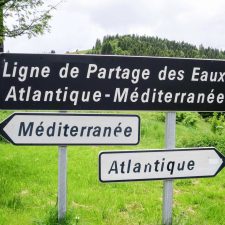
The European Continental Divide, also known as the European watershed, is much more than a geographical border. It crosses approximately 15 countries, from Spain to Turkey, including Switzerland, France, Bulgaria, and North Macedonia. This route offers a challenging ride where nature and culture intertwine, perfect for mountain biking enthusiasts seeking authenticity and diversity.

Following the Europesurlefil trail allows you to traverse diverse landscapes, from alpine peaks to verdant valleys, passing through villages steeped in history. It's an opportunity to discover the true hydrological backbone of the continent and experience a real connection with European waters . Europesurlefil embodies this alliance between sporting challenge and cultural immersion, with a focus on long-distance adventure.

The challenges of mountain biking routes linked to the watershed: what to expect?

Routes that follow the watershed are naturally demanding due to the terrain. Plan ahead:

  • A significant physical effort Some stages, particularly in the Alps or the Balkans, require a solid level of physical fitness.
  • Technical sections with stones, roots and narrow trails, requiring good mountain biking skills.
  • The weather is often changeable. Especially at altitude, it can influence the usability of the trails.
  • An autonomy to manage : in sparsely populated areas, supplies are scarce, so preparation is crucial.

These constraints are also part of the experience, offering a real sense of freedom and a new interpretation of the landscapes and heritage encountered.

What are the best mountain biking routes in Europe that combine culture and nature?

To combine mountain biking and cultural discovery, several routes are recommended:

Itinerary Duration Countries crossed Cultural assets Distance (km)
Great Jura Crossing by Mountain Bike 12 steps France Typical villages, rural heritage, cheeses and crafts 425
Trans-Ardennes Mountain Bike Trail 4 steps Belgium Castles, ancient forests, medieval heritage 166
European Continental Divide (Europesurlefil trace) Long crossing Approximately 15 countries, including France, Switzerland, Italy, Bulgaria Historical sites, cultural diversity, wild nature Several thousand (variable)

Each of these routes offers a different approach to the link between nature and culture, but the European watershed remains the most extensive crossing for a rich and varied experience.

How to organize your mountain biking trip in Europe: practical advice

Good preparation is key to fully enjoying your mountain biking adventure:

  1. Define your goalsDo you prefer a physical challenge or a more relaxed cultural exploration?
  2. Choose the region Some countries, such as France, Austria or Slovenia, offer a beautiful balance between nature and heritage.
  3. View reliable GPS tracks : use quality files validated by the mountain biking community.
  4. Prepare the equipment : adapt your mountain bike to the terrain and don't hesitate to consider an e-MTB for the most difficult sections.
  5. Book your accommodation : opt for places that value local culture, such as welcoming villages or farm stays.

How to choose your mountain bike for riding in Europe?

The choice of mountain bike depends on the type of route planned:

  • For a long crossing like the European Continental DivideA robust mountain bike with good battery life is recommended, sometimes an e-MTB to manage fatigue.
  • For technical coursesA full suspension model will offer comfort and control.
  • For easy or mixed routesA semi-rigid boat may suffice, being lighter for the distance.
  • Additional equipmentDon't forget protective gear, suitable panniers, GPS and repair tools.

A good compromise between performance, comfort and versatility is essential to adapt to the diversity of European landscapes.

Where can I find reliable GPS tracks for my mountain biking routes in Europe?

Several resources provide access to reliable and suitable data traces:

  • Europe on the wire offers field-tested files, highlighting European diversity and the watershed.
  • EuroVelo offers a network of accessible cycle routes, although their orientation is more focused on road cycling.
  • Local mountain biking communities : on forums and specialized applications, they often share traces adapted to different levels.

Combining these resources makes it easier to prepare and adapt your journey according to your desires and abilities.

Which European countries offer the most culturally rich mountain biking routes?

Each country has its own cultural specificities, which are highlighted by its mountain biking routes:

  • France: diversity of regions, historical heritage, picturesque villages and gastronomy.
  • Italy: Mediterranean atmosphere, Roman remains, vineyards and Tuscan hills.
  • Slovenia: wild nature, alpine traditions, and openness to the Balkans.
  • Spain: varied landscapes, Arab influence, ancient architecture and gastronomy.
  • Balkans (Croatia, Bulgaria, Serbia): routes that are still relatively unfrequented, rich in history and authenticity.

These territories offer a unique experience for cyclists who wish to combine effort and discovery.

Europesurlefil, tracing the European Continental Divide: a demanding and immersive adventure

Among the multitude of routes in Europe, Europesurlefil stands out because:

  • A route crossing approximately 15 countries, linking nature, heritage and adventure.
  • A cross-border approach highlighting European cultural diversity and hydrographic wealth.
  • A course design combining physical challenges with authentic cultural experiences.

This option is especially suited to those seeking a long-distance, challenging, and immersive adventure, far from the usual tourist routes. Europesurlefil offers a multi-activity experience that can be enhanced by skiing, trail running, or bikepacking, inviting an even more complete adventure.

Conclusion: How to choose the ideal mountain biking route in Europe?

The perfect route depends on your tastes, your fitness level, and your appetite for cultural discovery. Incorporating this aspect into your itinerary choice adds an extra dimension. Routes following the watershed, as well as iconic itineraries in France, the Balkans, or elsewhere in Europe, harmoniously combine physical exertion and exploration.

For a successful adventure:

  • Choose a route suited to your technique and endurance.
  • Choose a route that crosses different regions and cultures.
  • Alternate between technical sections and moments dedicated to discovery.
  • Access reliable GPS tracks and local information.

To explore this wonderful adventure, feel free to consult other articles on our blog to enrich your preparation.

European Continental Divide: Mountain biking and wellness routes along the Europesurlefil trail

European Continental Divide: Mountain biking and wellness routes along the Europesurlefil trail

For those looking to combine cycling adventure with rejuvenating breaks, Europe offers a variety of routes off the beaten track. The Europesurlefil route follows the European Continental Divide, a natural watershed crossing 15 countries. This unique route invites an in-depth exploration of landscapes and cultures, with stages where sport and relaxation find a harmonious balance.

Europesurlefil: a mountain biking route anchored on the watershed in Europe

Europesurlefil stands out for its route, which follows the hydrological line of the European continental divide. More than just a route, it's a cross-border project that showcases often overlooked territories, blending wild nature and cultural heritage. This long-distance trail is designed to be accessible to mountain bikers of all levels, with a combination of challenging stages and rest stops dedicated to well-being.

The itinerary incorporates selected accommodations and services, sometimes including spa, relaxation areas or complementary activities such as yoga and thermal baths, enhancing the overall post-exercise recovery experience.

Where to follow Europesurlefil while enjoying the wellness facilities?

The Europesurlefil trail crosses several regions ideal for mountain biking, with suitable infrastructure for relaxation:

  • The French Alps, with renowned mountain biking areas and accommodations with mountain spas.
  • The Black Forest in Germany, where mountain bike trails intersect with well-equipped spa resorts.
  • Luxembourg, notably via the Transardennaise, a 166 km route that is very popular and combines nature with the comfort of welcoming inns.
  • The Pyrenees, which offer a diversity of routes and ancient thermal facilities.

These stages allow you to fully experience the spirit of the Europesurlefil trail, combining effort and relaxation in authentic settings.

Iconic routes linked to the European Continental Divide for mountain bikers seeking well-being

The Europesurlefil route is designed for long-distance travel, but other itineraries can enrich this experience:

  • The Europesurlefil trace itself, where each stage is designed to alternate between sporting challenges and recovery time.
  • The EuroVelo 4 network, which crosses 7 countries over more than 5,000 km, ideal for those looking for more tranquil walks with access to wellness places.
  • The Transardennaise, a technical and user-friendly route, particularly suitable for a stay of a few days with comfort and wellness breaks.

These routes offer a mix of adventure, culture and relaxation opportunities, in line with the values of Europesurlefil.

Tips for planning a wellness-focused mountain bike trip along the European Continental Divide

To organize a trip combining mountain biking and relaxation, a few points are essential:

  1. Choose a suitable pace : choose steps that are neither too long nor too difficult to fully enjoy your wellness breaks.
  2. Choose accommodations offering wellness services : spas, massages or relaxation areas.
  3. Consider the electric mountain bike to better manage effort and conserve your energy.
  4. Plan your trip according to the seasons July and October are the best compromises between pleasant weather and accessibility of services.
  5. Promote local trade and personalized services to enrich your experience.

Tools like Viavelo or BikeAtlas are useful for identifying suitable stages and infrastructure along the Europesurlefil route.

Wellness facilities to enjoy alongside your mountain biking adventure

Beyond simple recycling, some facilities truly enrich the stay:

  • Spas and thermal centers for optimal recovery in recognized waters.
  • Sports massages available in some accommodations or resorts.
  • Spaces dedicated to yoga and meditation, often offered indoors or in the great outdoors.
  • Healthy food focused on local and organic products, to support physical effort.

These services facilitate fatigue management and contribute to a more complete experience.

Key European regions along the Europesurlefil route and their mountain biking and wellness attractions

The Europesurlefil route crosses several remarkable areas:

  • France, with the Alps and other mountain ranges where sport and relaxation are easily combined.
  • Northern Italy, in particular the Dolomites, offering unique landscapes and quality wellness services.
  • Spain, with the Catalan Pyrenees renowned for their thermal traditions.
  • Swiss, combining mountainous terrain and wellness-oriented accommodations.

These regions perfectly embody the cross-border and natural spirit of the European Continental Divide.

When to take the Europesurlefil route to combine mountain biking and wellness?

To fully enjoy your trip:

  • Spring and early summer : ideal conditions, vibrant nature and moderate visitor numbers.
  • July : high season, with an extensive range of activities and wellness services.
  • October : a calmer atmosphere, with landscapes in autumn colours and often mild weather.

These periods ensure a good balance between conditions for mountain biking and access to facilities dedicated to well-being.

Europesurlefil and the European Continental Divide: an immersive guide for your cross-border ski touring expedition

Europesurlefil and the European Continental Divide: an immersive guide for your cross-border ski touring expedition

Ski touring is much more than just a sport; it's an invitation to experience an authentic adventure in the heart of the mountains, an immersive journey where exertion blends with the discovery of the landscapes and cultures that mark the European Continental Divide. Organizing a ski tour along this iconic line means embarking on a unique voyage, rich in cross-border encounters and powerful emotions. Whether you're looking for the best routes, tailored guidance, or practical advice for your equipment, Europesurlefil immerses you in a world where every track tells a story.

What happens during a ski touring expedition in the heart of the European Continental Divide?

A ski touring expedition on the European Continental Divide is characterized by its itinerant and cross-border nature, offering cultural immersion in addition to the physical challenge. Each day reveals a new landscape, a new atmosphere, with the option of being accompanied by a local guide. While the guidance of an experienced guide is often recommended to ensure your safety and optimize the experience, especially in sometimes technical alpine terrain, some more seasoned skiers can also venture out independently by meticulously planning their route. Europesurlefil values this diversity of approaches, always with the aim of respecting the environment and the territories traversed.

Europesurlefil's best destinations for a ski touring expedition on the European Continental Divide 

The Alps remain the beating heart of these iconic crossings, with varied routes that perfectly embody the spirit of Europesurlefil:

  • Crossing the Alps : a journey in 63 stages that spans several winters, offering a deep immersion in the cross-border alpine landscapes and cultures.
  • The raid around Mont Blanc : between 4 and 10 days capturing the essence of Europe's most famous mountain range, reserved for experienced ski tourers seeking a challenge rich in unforgettable panoramas.
  • Chamonix-Zermatt : 6 days combining sport and discovery, where each descent is experienced as an immersion in the heart of sharing between France and Switzerland.
  • The Clarée : an accessible 3-day raid, ideal for a first experience that combines gentleness and preserved natural scenery.
  • The Tour of the Clarée : 4 days of trekking between valleys and peaks, for a progressive and confident discovery of ski touring, as close as possible to local traditions.

For those wishing to explore other horizons, Norway also offers captivating expeditions, providing another vision of ski touring, wilder and more intimate.

Essential equipment for your Europesurlefil ski touring trip

To traverse the European Continental Divide with complete peace of mind, it is crucial to prepare your equipment properly:

  • Ski touring : lightweight and versatile to combine efficient climbing and smooth descents.
  • Seal skins : essential for optimal grip when climbing.
  • Ski touring boots : comfortable, offering support and precision.
  • Safety equipment : ARVA, shovel, probe to deal with the hazards of the mountains.
  • Technical clothing : layering system, windproof, and thermal protection adapted to the variability of the alpine climate.
  • Backpack : compact and functional for your equipment and supplies.

While the guide can provide valuable support for equipment management and logistics, especially for novices, Europesurlefil also encourages quickly acquiring the skills necessary for thoughtful autonomy.

Prepare your Europesurlefil ski tour for an optimal experience

Beyond equipment, your physical and mental preparation is crucial to fully enjoying each stage. Ski touring on a multi-day trip demands endurance, technical mastery, and knowledge of the terrain. Europesurlefil recommends:

  • Familiarize yourself with your equipment and the analysis of weather and snow conditions.
  • Consult the departure periods best suited to your level (March remains the preferred month for its often optimal conditions).
  • Carefully plan your itinerary, taking into account the desired duration and the cultural variations you wish to discover.
  • Choose a suitable raid, from a discovery circuit to a more challenging route, to meet your sporting and cultural expectations.

Note that while guidance is often preferred, it is not always mandatory but remains a valuable asset depending on the complexity of the route and your experience.

Risks and constraints: vigilance is essential regarding the European Continental Divide

The allure of the Europesurlefil ski touring comes with serious challenges inherent to high-mountain environments: avalanches, unpredictable weather, and increased fatigue. Gathering information beforehand, having complete equipment, and knowing how to adapt your route to the conditions are essential. Europesurlefil values mental preparation as much as physical preparation, ensuring that each stage is approached with composure and respect for the fragile environment.

Choose a guide or agency from Europesurlefil for your ski touring trip

To fully experience the adventure on the European Continental Divide, choose professionals recognized by Europesurlefil, who combine technical expertise with in-depth knowledge of the terrain and local cultures. A good guide will adapt the route to the group's abilities, facilitate encounters along the border crossings, and guarantee safety without restricting freedom.

Don't hesitate to consult reviews, check the durations offered (generally between 3 and 10 days), prices, and included services (accommodation, full board, equipment rental). Europesurlefil also offers detailed articles to help you make your choice, such as "How to choose your guide for a ski touring trip."

Ski Raid Duration (days) Required level Average price (€) Management Destination
Crossing the Alps ~63 stages over 3 winters Intermediate to expert Price upon request, depending on the stage. Possible guide Alps
Mont Blanc Raid 4 to 10 days Expert From €650 to €1200 depending on the duration Supervision available upon request Mont Blanc
Chamonix-Zermatt 6 days Intermediary-expert Approximately €700 (based on quotes from local agencies) Possible guide Alps
Clear Raid 3 days Beginner to intermediate €480-500 (average price listed) Optional supervision Clarée
Clarée Tower 4 days Beginner Approximately €450-600 depending on services Supervision available upon request Clarée

In summary: your Europesurlefil ski touring project, a cross-border and cultural adventure

Ski touring on the European Continental Divide is the thrilling combination of mountains, sport, and human connection across borders. Europesurlefil guides you to make this experience an unforgettable immersion, where preparation, route selection, and local knowledge come together to reveal the soul of the European mountains. Whether you opt for a short tour or a more ambitious traverse, let yourself be carried away by the cultural richness and natural diversity that only this watershed can offer.

To enrich your adventure, also discover our other articles on the Europesurlefil blog , dedicated to great raids, cross-border routes and authentic mountain activities.

Exploring the route of the European Continental Divide: a unique adventure in Europe

Exploring the route of the European Continental Divide: a unique adventure in Europe

The European Continental Divide is a natural line that separates the watersheds of the European continent, forming a true hydrological backbone. Following this route means embarking on a cross-border adventure through diverse and majestic landscapes, combining geographical, cultural, and human discoveries over thousands of kilometers.

The European Continental Divide: a natural route across Europe

This watershed line crosses approximately 15 European countries, linking mountains, forests, and valleys. It offers an exceptional panorama of the ecological diversity of our continent and allows us to understand the major hydrological flows that influence the different watersheds.

Following the trail of the European Continental Divide is also an immersion in European history and geography, crossing territories with rich and varied heritages.

Why join a community to follow this route?

Exploring the European Continental Divide in a guided group promotes safety, conviviality, and exchange.Beyond individual enjoyment, this collective approach facilitates the complex logistics of such a long and multi-activity itinerary.

Dedicated communities, such as those highlighted by Europesurlefil , support sustainable and nature-friendly tourism by promoting local expertise and reducing environmental impact.

Planning your trip: multi-activities, mountain huts and logistics

The variety of possible activities – hiking, mountain biking, trail running, ski touring – allows you to adapt your route to your preferences and the season. Nights spent in mountain huts guarantee warm and safe accommodation, while also providing a base for rest and conversation.

Specialized platforms offer a complete organization, including access to shelters and support from experienced guides, which greatly facilitates the preparation and execution of the trip.

The guides: an essential role for a successful adventure

Local guides, sometimes called Adventurers, play a key role in the experience. Their in-depth knowledge of the territories traversed and their passion for adventure ensure safety, cultural enrichment, and a positive atmosphere within the groups, which are limited in size to encourage quality interactions.

Europesurlefil: a committed and authentic project

This project promotes a responsible approach to adventure in Europe, inviting participants to discover the European Continental Divide route over long distances and through various countries. Europesurlefil encourages respect for nature, the discovery of local cultures, and the commitment of each participant to an authentic and challenging experience.

Useful links to further your exploration

To learn more about the European Continental Divide, its geographical features and possible routes, consult the resources available on Europesurlefil.com and explore the articles dedicated to this unique adventure.

Joining the Europesurlefil community: a human and natural adventure

Taking part in this adventure means joining a passionate community, ready to share advice and experiences to better navigate the challenge of the European Continental Divide. It opens the door to enriching exchanges and the discovery of exceptional natural and cultural heritage.

This collective approach also promotes sustainable and respectful practices, which are essential in the face of current environmental challenges..

Travel time for a major European crossing: how many days should I allow for the adventure?

Travel time for a major European crossing: how many days should I allow for the adventure?

Walking across Europe isn't simply about connecting two points; it's about following the natural line that divides the continent's watersheds, known as the European Continental Divide. But how long should you really allocate to this expedition? And how can you organize it effectively? Let's examine these aspects together.

What characterizes a great European crossing?

A major European crossing often refers to a long-distance, marked route that traverses several territories or countries. This type of journey offers an immersion in diverse landscapes—mountains, forests, villages, and Alpine passes—connecting different cultures and natural environments. The European Continental Divide embodies this idea by following the natural line that separates watersheds and crosses fifteen countries.

In summary, these crossings are distinguished by their exceptional length and the diversity of the environments traversed.

How much time should I allow for a long European journey?

The duration depends primarily on the chosen route, your pace, the weather conditions, and your preparation. For example, the Grande Traversée des Alpes (GTA) in France covers approximately 630 km and is generally completed in 30 to 35 days. This route connects Lake Geneva to the Mediterranean Sea, crossing mountain ranges such as Mont Blanc, Beaufortain, and Mercantour, with walking stages varying between 18 and 25 km.

For the European Continental Divide , which crosses fifteen countries, the journey is much longer and can last several months, depending on the route taken. This adventure requires self-sufficiency and adaptation to diverse terrains and infrastructure.

Preparing for a major European crossing

Embarking on such an expedition requires rigorous preparation. Start by clearly defining your availability in days , so you can adapt your route accordingly. Choosing an itinerary that matches your physical condition and preferred scenery is essential.

Choosing your equipment requires careful consideration: opt for lightweight but complete gear (appropriate clothing, camping equipment, safety gear, food). Pay particular attention to self-sufficiency in remote areas.

Practical advice

  • Test your bag and equipment on short hikes.
  • Develop a flexible plan with steps tailored to your endurance.
  • Find out about marked trails, water points and available shelters.
  • Prepare yourself physically, especially if you are facing high mountain passes or technical terrain.

Why prefer the European Continental Divide?

The European Continental Divide is distinguished by its cross-border dimension and its route following a natural hydrological line crossing 15 countries. Unlike more touristy or national trails, it offers a rich immersion in the cultural and geographical diversity of the continent.

Europe on the wire highlights this demanding adventure, which goes beyond simple hiking to invite an intense human and environmental experience.

Seasons for embarking on a long voyage

Choosing the right time is crucial. The favorable season generally extends from mid-June to the end of September, particularly for alpine crossings, where snow can make mountain passes inaccessible.

Here are some key points:

  • Alpine and high mountain ranges: mid-June to September
  • Lower or southern zones: early spring to autumn

It's risky to go hiking off-season due to weather conditions, trail closures, or potential hazards. Be sure to carefully consider the weather forecast, the length of the days, and your equipment.

Physical challenges

Endurance, managing effort over several days, and adapting to elevation changes and changing weather conditions (rain, wind, heat) are central to the requirements. Solid physical preparation, as well as self-reliance and good mental management, are essential.

Marked trails simplify navigation, but it is also essential to adopt a measured approach so as not to burn out too early.

Choosing the right long-distance hike

Before you begin, ask yourself these questions:

  1. How many days do you actually have? The difference between one month and several months changes everything.
  2. Which landscapes do you prefer? Mountains, forests, traditional villages, wild plains?
  3. What is your physical fitness level? Are you ready to tackle elevation changes and maintain prolonged endurance?

Your answers will guide your choice of route, pace and equipment.

Major and alternative routes in Europe

Beyond the European Continental Divide, several other major crossings deserve attention. The Great Alpine Crossing is emblematic, as is the GR5, along with routes through the Pyrenees or the Carpathians.

Europesurlefil offers itineraries that prioritize an authentic, ecological and cross-border approach to Europe.

Equipment and autonomy

In addition to the essentials of hiking, a long trek requires effective self-sufficiency management: water, food, hygiene, and repairs. Lightweight, reliable equipment adapted to varying conditions (cold, heat, humidity) is essential.

Navigation tools (map, GPS) and a complete first-aid kit are essential. Logistics between stages are of great importance, especially in remote areas.

Europesurlefil and the European Continental Divide: an adventure to be lived

This line on the map is not simply a trace, but an invitation to explore Europe through its landscapes and rivers, to feel the power of natural borders and local stories. The journey offered by Europesurlefil is a human, cultural, and ecological experience, far beyond a sporting challenge.

For those seeking an adventure that is both physical and rich in discoveries, the European Continental Divide offers a destination full of meaning.