
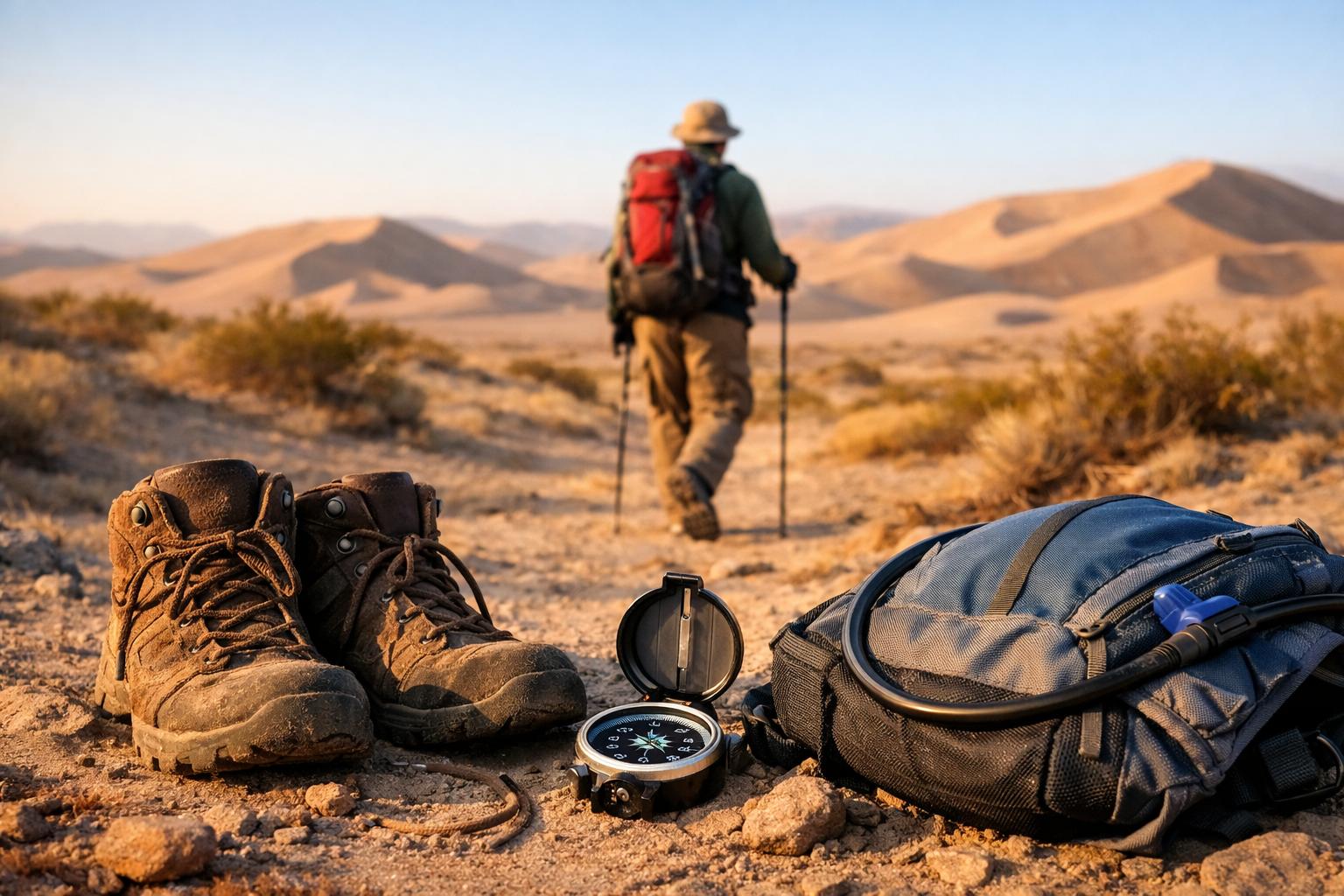
Going trekking in remote areas means choosing to escape the noise of the world, to hike for several days in the mountains through landscapes where every step reveals a raw and authentic nature. So how do you prepare for this demanding adventure that combines wild landscapes, intense physical exertion, and sometimes profound solitude? What skills do you really need to master to make this challenge a rich and vibrant adventure while remaining vigilant against potential dangers?
What is trekking in remote areas and why does it differ from a classic hike?
Trekking is characterized by prolonged walking over several days with all one's equipment on one's back, often in remote areas, sometimes in high mountains. Unlike hiking, which can be limited to a few hours, trekking demands sustained physical and mental effort.
Self-reliance is at the heart of this experience: carrying a heavy pack, managing sometimes unpredictable terrain, and adapting to capricious mountain weather. The European watershed, also known here as the European hydrological ridge, is an iconic route that crosses 15 countries, revealing exceptional natural and cultural richness.
How to choose the right shoes for trekking in remote areas?
Choosing the right shoes is vital, especially when venturing into remote areas. Good arch support is essential, the sole must be robust enough to handle often uneven terrain, and waterproofing is a crucial advantage against the elements.
It can be tempting to opt for lightweight models, but these can quickly tire your feet. For mountaineering, you should look for technical shoes with optimal ankle support and a fit adapted to the shape of your foot.
Taking care of your shoes is also crucial to preserve their grip and comfort, and thus avoid unnecessary injuries and discomfort.
What navigation equipment should be used when GPS fails?
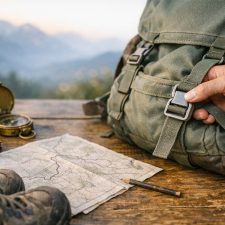
In remote areas, relying solely on GPS is a risky gamble. The signal can be lost, the battery can run out. It is essential to master traditional tools: topographic map, compass, altimeter. These instruments remain the best safeguard against unforeseen circumstances.
Knowing how to read a map, interpret the terrain, and navigate in a sometimes disorienting environment makes all the difference. On this natural backbone that is the European watershed, these ancestral skills are invaluable.
How to manage your water supply on a ridge without a spring?
In the remote wilderness, finding water can quickly become a major concern. Careful preparation is key to anticipating this difficulty. Knowing your exact route, identifying water sources on maps, and estimating the amount of water to carry are essential steps.
You may sometimes need to carry a heavier pack to ensure you stay hydrated. Portable filters and other purification solutions can make water from springs or puddles drinkable, but their use should remain cautious and controlled.
Outdoor First Aid Guide: An Essential Tool for Every Trekker
Trekking in remote areas exposes you to various risks. A guide specializing in wilderness first aid then becomes an invaluable ally. Suitable for both beginners and experienced trekkers, they demonstrate clear procedures to follow in case of an emergency.
This manual covers the management of injuries, poisonings, and illnesses related to altitude or cold, providing a solid foundation for acting effectively away from immediate help.
The third edition, published by renowned expert Baptiste Verhamme, enriches this guide with practical tips and advice tailored to real-world conditions. This book is available in specialist bookstores and online; a recommended investment before any expedition.
Each trek has its own requirements: what style of trekker are you?
The approach to trekking varies according to aspirations and abilities. The choice of route, equipment, and physical and mental preparation are all tailored to your objectives. Have you ever considered your trekking profile?
Are you passionate about long walks in nature, able to face solitude and exertion? Or do you prefer a balance between adventure and comfort? This self-reflection is key to choosing a suitable route, avoiding over-equipment or, conversely, under-equipment.
Europe on the wire embodies a demanding and authentic approach on a mythical watershed, an experience rich in discoveries, efforts and technical challenges.
Preparing your body and mind: techniques and tips for a successful trek
Rigorous physical preparation is necessary, especially in high mountains. Strengthening the legs, supporting the arches of the feet, and learning to manage breathing at altitude are all essential elements.
Accepting the difficulty, the long hours of walking, the fatigue, is to fully immerse oneself in the spirit of trekking. But it's also about listening to your body and adapting your pace. Trekking is above all an experience of personal growth, a blend of challenge and pleasure.
Respecting the environment and ensuring safety in isolated areas
Trekking impacts nature: trail erosion, waste, and disturbance of wildlife are issues that every trekker must consider.
Adopting the “Leave No Trace” philosophy is a responsible and necessary act: prepare your route, leave nothing behind, respect natural cycles and stay on marked trails.
It is also a collective safety measure: informing a loved one of your route, monitoring weather conditions, knowing your physical limits.
Practical summary: essential equipment for trekking in remote areas
- Technical footwear suitable for the mountains
- Synthetic and insulating clothing, suitable for cold conditions
- Traditional navigation equipment (map, compass, altimeter)
- Outdoor First Aid Guide
- Water filter or purification system
- Minimal but effective bivouac equipment
- Ergonomic backpack adapted to the carrying weight
Each element is selected to guarantee safety and comfort without unnecessarily weighing down the bag.
Europesurlefil: an authentic adventure on the European watershed
Following the European hydrological ridge through 15 countries means immersing yourself in a mosaic of diverse, often wild, and profoundly inspiring landscapes. Europesurlefil offers a demanding and immersive vision of trekking, far beyond the usual trails.
These routes reveal that trekking is more than just physical activity: it's an intimate encounter with nature, history, and European cultural diversity. With proper preparation, appropriate equipment, and the right reflexes, everyone can enjoy this unique experience safely and with pleasure.
Recent comments