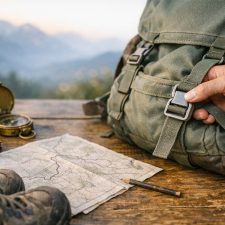
Sustainable hiking in Europe: discover the European Continental Divide trail with Europesurlefil

Sustainable hiking in Europe: discover the European Continental Divide trail with Europesurlefil

Imagine traversing a path that stretches 5,000 kilometers across 15 countries, linking Europe's highest peaks and major watersheds. The European Continental Divide route, offered by Europesurlefil , is more than just a hike: it's a unique cross-border adventure blending natural diversity, cultural heritage, and a commitment to sustainability. This special route invites you to explore the continent's diverse geography and ecosystems in depth, while adopting a responsible and respectful approach to the lands you cross.

Why choose the European Continental Divide route for a sustainable hike in Europe?

More than just a walk, the European Continental Divide trail is an innovative long-distance hiking project. This path follows the watershed between the major European river basins, linking the Alps to the Carpathians, and the Pyrenees to the Balkans. Europesurlefil thus embodies a concrete vision of sustainable hiking, where the discovery of fragile landscapes goes hand in hand with environmental responsibility. By choosing this route, you contribute to the preservation of mountain ecosystems and participate in an adventure that showcases both the natural and cultural riches of the regions traversed.

The marked trails along this route offer a variety of options for sustainable travel, combining hiking, mountain biking, and e-mountain biking, with a network of eco-friendly accommodations located in mountain huts and small villages. Everything is designed to minimize human impact while enriching the traveler's experience.

The major regions crossed by the European Continental Divide

The Alps: the natural heart of the trail

The Alps form the main axis of the European Continental Divide route, where you'll find challenging trails winding between iconic peaks and pristine valleys. The route notably follows the Via Alpina, offering a balance between high mountain terrain and comfortable mountain huts where ecological management is paramount.

The Carpathians and the Balkans: remarkable biodiversity

Continuing eastward, the trail crosses the Carpathians and the Balkans, areas often less frequented but rich in ancient forests, wildlife, and traditional villages. This route reveals a lesser-known side of Europe, highlighting remarkably well-preserved natural and cultural heritage thanks to sustainable practices.

The Pyrenees and the western mountain ranges

The Pyrenees complete this route by offering wild landscapes where the integration between nature and human heritage is particularly visible. The trails are adapted to different levels of fitness, always with a focus on responsible tourism.

Table of countries and routes associated with the Europesurlefil route

The European Continental Divide route crosses 15 countries, some of the most emblematic of which are listed below, along with their flagship routes:

Country Strengths Iconic routes linked to the trail Recommended level
France Alps, Pyrenees, villages clinging to the mountains Tour du Mont Blanc, GR10, Way of St. James From beginners to advanced
Swiss High mountains, integrated mountain huts, alpine biodiversity Via Alpina, Kesch Trek Moderate to demanding
Italy Dolomites, sculptural landscapes, mountain culture Alta Via 1, Monte Rosa Tower Moderate to demanding
Slovakia & Romania Carpathians, wild forests, traditional villages Carpathian trails, rural roads Moderate to demanding
Spain & Portugal Pyrenees, Atlantic coast, local culture Way of St. James, Fisherman's Trail Beginner to intermediate

A variety of routes for all adventurers

Europesurlefil highlights routes suited to a diverse range of hikers: from multi-day treks in challenging mountains to more accessible coastal getaways. For example, the Via Alpina crosses eight countries and offers varied landscapes ranging from peaks to alpine pastures, while the South West Coast Path in England or the Dingle Way in Ireland offer a soothing connection with the ocean and unspoiled nature without intense elevation gain.

For shorter stays, Europesurlefil recommends well-marked sections such as the Tour du Mont Rose, accessible in 3 to 4 days, or the Kesch Trek in Switzerland, which highlights easily accessible high mountains.

Practice sustainable hiking with Europesurlefil

Respecting the environment while hiking in Europe, especially along the European Continental Divide trail, means adopting simple but essential actions:

  • Take all your waste with you, including organic waste, so as not to leave any trace.
  • Strictly follow the marked trails to protect the fragile vegetation.
  • Prioritize eco-friendly certified shelters and accommodations that support local economies.
  • Choose low-impact activities such as hiking or electric mountain biking (e-MTB).
  • Learn about the wildlife and avoid sensitive areas, especially during breeding seasons.
  • Contribute to local environmental preservation initiatives.

Equipment and accommodation for a successful and responsible adventure

A well-prepared bag is key to fully enjoying the hike along the European Continental Divide while respecting the ecosystem:

  • Sturdy shoes suitable for the varied terrains encountered.
  • Technical clothing, preferably made from natural or recycled fibers.
  • Lightweight kitchen equipment to promote self-sufficiency with minimally packaged local products.
  • Minimalist equipment for bivouacking or booking in ecological shelters.
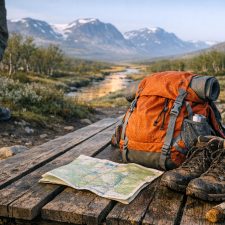
  • Reliable navigation tools, such as topographic maps or dedicated applications.
  • Ergonomic backpack, perfectly balanced to limit fatigue.

The accommodations offered along the Europesurlefil trail adopt sustainable practices: ecological water and waste management, local cuisine, architecture that respects the landscape, and support for rural communities. These refuges allow for an authentic experience while reducing environmental impact.

Conclusion: an authentic and sustainable adventure following the European Continental Divide

The European Continental Divide, as proposed by Europesurlefil, offers much more than a hike: a true travelogue where each step reveals the richness of the landscapes, the history of the people, and the fragility of the ecosystems. This unique route, traversing fifteen countries and various mountain ranges, embodies the spirit of sustainable, committed, enriching, and respectful hiking.

Whatever your level or desires, this route invites you to rethink your approach to hiking in Europe: exploring in depth, preserving with care, and experiencing life rooted in the reality of the landscapes. By choosing Europesurlefil and the European Continental Divide, you embark on an exceptional transnational adventure, bringing you closer to nature and European cultures.

The countries crossed by the great European crossing: a journey to the heart of natural and wild Europe

The countries crossed by the great European crossing: a journey to the heart of natural and wild Europe

What does it truly mean to embark on a great European crossing? More than just a route, it means following the natural line that divides the continent's waters, the famous European Continental Divide . This journey is part of the tradition of long-distance hiking, but with a unique richness linked to the countries crossed and the landscapes shaped by this watershed.

What defines a great European crossing?

A major European trek is more than just a hike. It's a long journey through diverse regions, a physical challenge, and an immersion in the continent's natural environments and cultures. It often involves thousands of kilometers, mainly on marked long-distance hiking trails (GR), crossing several countries to grasp the geography, history, and local ways of life.

The key criterion: natural continuity, such as that offered by the European Continental Divide , this hydrological axis which separates the major watersheds of Europe, giving this adventure a unique coherence.

Why choose this watershed line rather than another path?

This line is not just a simple line on a map; it is the true hydrological backbone of the continent. Following this route, one crosses remarkable and varied natural areas, far from the usual and sometimes overcrowded paths.

This route offers an experience where mountains, valleys, lakes, and forests illustrate the history of water in Europe. The journey primarily involves about ten countries, each contributing its own cultural and natural wealth.

Which countries are actually crossed by the European Continental Divide?

The official route of the European Continental Divide passes through key countries that accurately represent European geographical diversity:

  • Norway And Suede, in their Scandinavian landscapes, between fjords, forests and plateaus.
  • Germany, particularly in mountain ranges, with a transition to lower areas.
  • Poland, rich in forests and lakes, with gentle terrain.
  • Czech Republic, with its plateaus and wooded massifs.
  • Slovakiafamous for its high mountains and green valleys.
  • Austria, in the heart of the Alps, with impressive peaks and glaciers.
  • Swiss, with its iconic alpine landscapes, glaciers and deep alpine valleys.
  • Francemainly in the Alps, with superb high-altitude passages.
  • Italy, in the northern alpine areas, without going as far as Sicily.

The line does not cross countries such as Denmark, Luxembourg, Belgium, or the Netherlands, contrary to some previous claims. Its crossing into European Russia remains open to interpretation and is not clearly defined in the standard route.

How to prepare for your big European journey?

Preparing for such an adventure requires rigor and foresight:

  1. Season's pick : Adapted to local climates, spring and autumn often appear ideal, a balance between favorable weather and colorful landscapes.
  2. Equipment Technical clothing, suitable footwear and equipment depending on the activity (hiking, skiing, mountain biking) are essential.
  3. Route study Some sections, such as the Great Alpine Crossing (GTA), are well marked, while others require more experience and a sense of direction.
  4. Planning This journey will take several months, and can be broken down into stages that can be achieved at your own pace.
  5. Logistics organization Accommodation, supplies, transport, everything must be planned in advance to avoid unforeseen events.

This adventure also requires good physical condition and a certain ability to adapt to wild environments.

The best time to go

Summer is a good time for high-altitude hiking in the Alps, with accessible trails and open mountain huts. For ski touring, winter is of course the preferred season.

The plains and less mountainous areas benefit in spring and autumn with mild temperatures and colourful landscapes, although the weather can be more variable.

Landscapes and natural diversity along the line

The European Continental Divide offers a crossing rich in ecosystems:

  • Plateaus and dense forests in Scandinavia, with lakes and rivers that sculpt the landscape.
  • Steep alpine ranges, permanent glaciers, and flowering alpine pastures.
  • Massifs and valleys of the Carpathians and Pyrenees, alternating between rocks and meadows.
  • River valleys where nature reclaims its rights and where local history is palpable.
  • Mediterranean landscapes of northern Italy, where mountains and sea meet without exceeding the alpine zones.

Each stage reveals a different facet of European natural and cultural heritage.

The advantages of hiking in Europe for a crossing

Europe boasts a dense network of marked trails and a long tradition of long-distance hiking, allowing for a blend of cultural discovery and immersion in nature. The proximity of the countries traversed simplifies logistics and offers exceptional diversity in a single trip.

Furthermore, the infrastructure, safety and comfort make this adventure accessible to a wide audience, while retaining a spirit of exploration.

Europesurlefil: a dedicated guide for this crossing

Europe on the wire It shares a demanding and passionate approach to this crossing. The blog offers advice, stories, and detailed information to support each hiker in preparing for and completing this route.

Following Europesurlefil means giving yourself the means to fully experience this journey, with expert guidance that is mindful of the wild spaces traversed.

Safety on a ski tour: ensuring peace of mind in the mountains

Safety on a ski tour: ensuring peace of mind in the mountains

A ski tour is much more than a simple expedition: it's a total immersion in wild landscapes, a personal challenge where every step counts. Following the European Continental Divide , these long cross-border traverses unfold the full richness of a multi-activity adventure. But this intensity demands unwavering vigilance: safety on a ski tour is essential to fully enjoying these exceptional moments.

Whether you're planning a technical raid or a more accessible expedition, there's no room for chance. So, how can you best prepare? What equipment should you choose? What precautions should you take to experience this adventure with complete peace of mind?

What safety equipment is absolutely essential to take on a ski tour?

Embarking on the Europesurlefil routes requires a carefully packed bag. Equipment plays a crucial role, but it's not enough to simply amass gear: you must understand each tool and trust it.

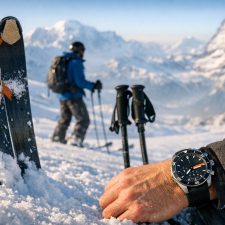
At the heart of safety, you'll find the essential trio: the shovel, the probe, and the avalanche transceiver (DVA). The shovel is your first ally for clearing snow in an emergency, the probe precisely detects the location of a buried person, and the DVA—your living companion—saves precious time during search and rescue operations.

To complete this kit, remember to bring technical clothing suitable for temperature variations, warm gloves, a complete first-aid kit, and a headlamp, especially on long days when dusk can be unexpected. And don't forget sunscreen, essential against the intense glare of the snow.

How to plan your route to minimize risks on a ski tour?

Preparing your route, especially along the European Continental Divide, is a true act of commitment. Each stage deserves careful study: the terrain, the presence of mountain huts, the current weather conditions, but also the specific cross-border factors that can influence weather conditions or local regulations.

Use up-to-date maps and specialized apps, and check snow and avalanche bulletins regularly—these are your best insurance policies. Plan breaks, assess your fatigue, and always prioritize common sense: a vigilant and united group is a force to be reckoned with when faced with the unexpected.

To enrich your experience, you can discover on Europesurlefil detailed itineraries that combine skiing, snowshoeing and hiking, offering a complete approach adapted to different profiles of adventurers.

What precautions should be taken against the risk of avalanches during a ski tour?

Avalanches are one of the major dangers in the high mountains. Following the Europesurlefil trail, where the terrain varies, it is crucial to learn to read the signs of nature: recently blown snow, fresh cracks, suspicious noises under your feet… Every detail counts.

Maintaining good skiing technique is essential: never gather all skiers in the same place, avoid steep slopes, and keep a close eye on your surroundings. A rope can be a useful tool in certain sections, but nothing replaces solid knowledge and constant vigilance.

How to use an avalanche transceiver (DVA) correctly?

An avalanche transceiver (DVA) is much more than just a piece of equipment: it's a vital partner. It must be worn in transmit mode throughout the entire outing. In the event of an accident, the rapid switching to receive mode by other members allows for the efficient location of the victim. Learning to use it properly requires proper training: dedicated courses are offered regularly, and at Europesurlefil, we recommend incorporating them into your preparation.

How to react in case of an accident or burial during a ski tour?

In the event of an accident, calm is paramount. The speed of the rescue operation depends on the initial reactions: immediate deployment of the shovel, precise probing, and searching with an avalanche transceiver. Every second saves lives. At the same time, calling in professional rescue services should be considered without delay if conditions warrant it.

A well-stocked first aid kit in your bag is essential for providing initial care. Your best protection remains the combination of good equipment, solid training, and shared experience with a vigilant group.

Is it always necessary to go on a ski tour with a guide?

When following the European Continental Divide, choosing a professional guide often guarantees a safe and enriching adventure. The guide is familiar with the specific challenges of crossing borders, sensitive areas, and the best options for dealing with unforeseen weather conditions.

However, for experienced and well-trained practitioners, autonomy is possible. The key is to never underestimate the risks and to prioritize ongoing training.

What training courses should I take to improve my safety during a ski tour?

The blog Europesurlefil highly recommends specific training courses: avalanche courses, use of avalanche transceivers, mountain first aid, accurate interpretation of weather reports, and group management in alpine environments. These skills transform a hike into a controlled adventure.

Testing your equipment in real conditions, training regularly, and planning for unforeseen events (spare parts, hydration) are all actions that enhance your safety.

In summary: what should you remember for optimal safety during a ski tour?

  • Essential safety equipment (avalanche transceiver, shovel, probe, rescue kit) must be mastered and carried at all times.
  • Plan your route carefully, taking into account the specific features of the European Continental Divide route and local conditions.
  • Learn to detect the warning signs of avalanches and adapt your progress accordingly.
  • Train regularly, and prioritize collective experience and shared knowledge.
  • Never underestimate the benefits of a professional guide for a confident cross-border adventure.

On Europesurlefil, each route tells a story, an encounter between man and mountain, between borders and cultures. Safety is not a constraint, but the key to fully opening this door to wonder and personal fulfillment.

Discover the landscapes of the great European crossing along the "European Continental Divide"

Discover the landscapes of the great European crossing along the "European Continental Divide"

Walking along the line that separates the waters of a continent is to immerse oneself in a journey where nature intertwines with history and cultures. The great European crossing, depending on the chosen route, reveals a Europe often unsuspected: mountains, rivers, and wild spaces tell their own stories. The "European Continental Divide" is not just a geographical line; it is an invitation to explore diverse landscapes and territories rich in tradition.

What is a major European crossing?

A long-distance European trek is a journey that allows you to discover Europe on foot, often following marked trails such as the GR (Grande Randonnée). These treks can last several days or even months, traversing a mosaic of landscapes and cultures. The trail connects mountains, valleys, plains, and forests, offering constantly changing natural scenery.

This type of trip requires real preparation and a desire to go beyond simple hiking. It often involves crossing several countries, which provides a valuable cultural and historical immersion.

Why choose the "European Continental Divide"?

Among the many long-distance hiking trails in Europe, the European Continental Divide stands out for its unique geography: it follows the natural line separating the watersheds that drain into different seas and oceans. This route, which crosses 15 countries, connects mountains, often overlooked valleys, and historical sites far from the usual tourist trails.

Europe on the wire This book offers a sincere and well-researched look at this cross-border adventure. Beyond the distance and physical exertion, this journey invites a deeper understanding of the continent's geography and history through its landscapes.

What landscapes will you discover along this trail?

The diversity of landscapes encountered along the route of the "European Continental Divide" is remarkable. From Alpine peaks to the green plateaus of the Jura Mountains, each stage offers unique panoramas:

  • The Alps, with their majestic peaks and isolated refuges, especially on the Great Alpine Crossing (GTA), a 600-kilometer trail linking Lake Geneva to the Mediterranean.
  • The Jura, wilder, with the Grande Traversée du Jura (GR®509), known for its impressive gorges and views of the alpine ranges.
  • River valleys, ancient forests and authentic villages, where local culture is revealed along the way.

The route is vibrant: it also tells the story and traditions of the inhabitants, showcasing the cultural richness of a Europe to be discovered step by step.

How to best prepare for your major European journey?

Embarking on a long journey requires careful preparation. Here are some essential tips:

  • Choosing the right season Avoid winter for high-altitude crossings, unless you are equipped for ski touring.
  • Plan to use appropriate equipment : sturdy shoes, technical clothing adapted to climatic variations, light and functional backpack.
  • Plan your steps depending on your abilities, taking into account the available shelters and supply points.
  • Working on your physical fitness gradually, to tackle long distances and elevation changes.

On Europesurlefil, you will find practical guides and specific advice to accompany you throughout this adventure.

Why choose hiking in Europe?

Europe offers much more than its classic tourist destinations. Its diverse geography and numerous protected areas provide opportunities for off-the-beaten-path hiking. The great European crossing combines nature, culture, and encounters:

  • A dense network of marked, maintained and accessible trails.
  • A convenient proximity between villages, services and preserved natural areas.
  • A rich diversity of languages, traditions and flavors to discover along the way.

Choosing this type of hike means embarking on an adventure that blends discovery and authenticity.

What is the best time to go?

The timing of your hike greatly influences the experience:

  • Spring and early summer offer landscapes in full bloom, although some passes may remain snow-covered.
  • SummerBetween June and September is the most popular season, with stable weather conditions and easy access to mountain huts.
  • Autumn seduced by its unique colours and calmer atmosphere, but the days get shorter quickly.

Winter is best suited for experienced hikers practicing ski touring or e-MTB in the high mountains, as the conditions are demanding.

Why make this crossing?

Beyond simply walking, the great European crossing is an invitation to reconnect with a more natural rhythm. Walking along the line that divides European waters is also a rich sensory and intellectual experience, which puts our relationship to time and the environment into perspective.

This journey highlights the fragile beauty of the landscapes traversed and can raise awareness about their protection.

Key routes and their duration

Itinerary Distance Countries crossed Average duration
GR®5 (including GTA) 2,500 km Netherlands, Belgium, Luxembourg, France, Switzerland 2 to 3 months
Great Alpine Crossing (GTA) 600 km France, Switzerland, Italy 3 to 4 weeks
Great Jura Crossing (GR®509) 400 km France 2 weeks

What equipment should I bring?

Here are the essentials for a successful hike:

  • Hiking shoes sturdy, suitable for varied terrain (mountains, forests, plateaus).
  • Technical clothing breathable, waterproof and lightweight to adapt to changing conditions.
  • Backpack with sufficient capacity for all the necessary equipment.
  • Camping equipment or information on mountain huts depending on your preferred accommodation method.
  • Useful accessories : walking sticks, filter water bottle, first aid kit.

Europesurlefil, your travel companion on the "European Continental Divide"

Europesurlefil is more than just a blog: it's a true partner for anyone wishing to embark on this great crossing. We offer detailed itineraries, practical support, and advice tailored to each hiker's profile.

With Europesurlefil, fully experience this adventure in connection with the nature and history of the continent, all thanks to complete preparation and reliable information.

Hiking guide to the watershed line: embark on a unique adventure in France

Hiking guide to the watershed line: embark on a unique adventure in France

Have you ever wondered where the waters divide to flow into the Atlantic or the Mediterranean? The watershed line runs through France and is part of a European route connecting 15 countries. This guide invites you to explore this unique path, between singular natural landscapes, art installations, and authentic villages, in an adventure that transcends French borders.

What is the watershed line and why does it matter so much?

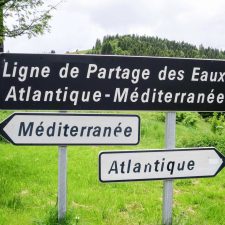
The watershed is the natural boundary where the watersheds diverge: on one side, the rivers flow towards the Atlantic, on the other towards the Mediterranean. It is a key element of European hydrological geography, traversing mountains, forests, and wetlands. Following this line reveals a unique geographical balance, as well as a route that invites contemplation and discovery, enriched by works of art designed to highlight this link between nature and culture.

Where is the watershed line in France and what are its key points?

In France, this line notably crosses the Ardèche Mountains, an area of wild and unspoiled landscapes. An artistic trail unfolds there, featuring remarkable works by Gilles Clément , Gloria Friedmann , Felice Varini , and Henrique Oliveira , which integrate into the natural site to offer new perspectives.

The route covers approximately 100 kilometers, divided into five stages, punctuated by natural and cultural points of interest. The GR®7 long-distance hiking trail provides an excellent base, offering a north-south crossing rich in panoramic views and iconic sites such as the Abbey of Saint-Agrève and preserved peat bogs.

How to prepare for an eco-friendly hike along the watershed?

Hiking along this European waterway requires careful preparation to respect a fragile environment. It is recommended to wear appropriate equipment, strictly follow marked trails, and minimize your impact on the flora and fauna. Choosing local products and short supply chains supports the communities you pass through and promotes sustainable practices. The guidebook "Itinérance: Le Partage des Eaux" (Hiking: Sharing the Waters) offers valuable advice for planning this type of adventure.

The climate can change rapidly, especially at higher altitudes. Spring and autumn remain the most favorable seasons to avoid excessive heat or severe cold. It is important to check the weather conditions and information for each stage, taking into account elevation changes and terrain features.

What are the main routes and stages not to be missed?

The classic route is divided into five stages, each revealing a unique aspect of the line:

  1. From the Abbey of Saint-Agrève to the Verrerie peat bogsa space where water shapes the landscape
  2. The Ardèche Mountainsvast expanse of deep forests and wild panoramas
  3. The remarkable natural site of Tour Eau Gilles, the central point of the artistic journey
  4. The route passes through historic towns and typical villages, where local heritage is expressed
  5. The descent towards the Mediterranean or Atlantic tributariesthe conclusion of this adventure

Each stage combines immersion in nature and discovery of contemporary artistic works, offering an enriched multidimensional experience for hikers as well as trail runners, mountain bikers, or bikepackers.

How is the watershed line defined on the ground and what are the difficulties?

On the ground, this route is often marked by ridges, peaks, or passes, where the waters choose their course. Some sections, particularly in wooded or peatland areas, can be difficult to follow without a guide. The assistance of a specialist guide, such as those offered by Europesurlefil , helps to fully understand this route, providing insights to help you make the most of the experience.

The route profile includes some challenging elevation changes, especially in the Ardèche Mountains. Wet sections require caution. Appropriate physical preparation and good logistical planning are essential to fully enjoy this unique journey with peace of mind.

Why choose Europesurlefil for your adventure on the watershed?

Europe on the wire It offers an original and comprehensive approach to the watershed, which extends beyond France to encompass all of Europe, along a route crossing 15 countries. More than just a hike, it's a multidisciplinary experience combining long-distance hiking, trail running, mountain biking, bikepacking, and skiing in certain areas.

The brand offers unique expertise, with specialist advice to fully enjoy this multifaceted route, a blend of nature, heritage, and contemporary art. Europesurlefil supports both outdoor enthusiasts and lovers of cultural adventures, encouraging a responsible and immersive experience of the European Continental Divide.

European Continental Divide: Mountain biking routes and cultural immersion in Europe

European Continental Divide: Mountain biking routes and cultural immersion in Europe

Imagine a mountain biking adventure that transcends mere athletic performance or scenic beauty. It immerses you deeply in European culture. These mountain bike routes, linked to the European watershed, offer a unique blend of authentic villages, historical sites, and unspoiled nature, for an unforgettable European journey.

Why take a mountain biking route along the European watershed?

The European Continental Divide, also known as the European watershed, is much more than a geographical border. It crosses approximately 15 countries, from Spain to Turkey, including Switzerland, France, Bulgaria, and North Macedonia. This route offers a challenging ride where nature and culture intertwine, perfect for mountain biking enthusiasts seeking authenticity and diversity.

Following the Europesurlefil trail allows you to traverse diverse landscapes, from alpine peaks to verdant valleys, passing through villages steeped in history. It's an opportunity to discover the true hydrological backbone of the continent and experience a real connection with European waters . Europesurlefil embodies this alliance between sporting challenge and cultural immersion, with a focus on long-distance adventure.

The challenges of mountain biking routes linked to the watershed: what to expect?

Routes that follow the watershed are naturally demanding due to the terrain. Plan ahead:

  • A significant physical effort Some stages, particularly in the Alps or the Balkans, require a solid level of physical fitness.
  • Technical sections with stones, roots and narrow trails, requiring good mountain biking skills.
  • The weather is often changeable. Especially at altitude, it can influence the usability of the trails.
  • An autonomy to manage : in sparsely populated areas, supplies are scarce, so preparation is crucial.

These constraints are also part of the experience, offering a real sense of freedom and a new interpretation of the landscapes and heritage encountered.

What are the best mountain biking routes in Europe that combine culture and nature?

To combine mountain biking and cultural discovery, several routes are recommended:

Itinerary Duration Countries crossed Cultural assets Distance (km)
Great Jura Crossing by Mountain Bike 12 steps France Typical villages, rural heritage, cheeses and crafts 425
Trans-Ardennes Mountain Bike Trail 4 steps Belgium Castles, ancient forests, medieval heritage 166
European Continental Divide (Europesurlefil trace) Long crossing Approximately 15 countries, including France, Switzerland, Italy, Bulgaria Historical sites, cultural diversity, wild nature Several thousand (variable)

Each of these routes offers a different approach to the link between nature and culture, but the European watershed remains the most extensive crossing for a rich and varied experience.

How to organize your mountain biking trip in Europe: practical advice

Good preparation is key to fully enjoying your mountain biking adventure:

  1. Define your goalsDo you prefer a physical challenge or a more relaxed cultural exploration?
  2. Choose the region Some countries, such as France, Austria or Slovenia, offer a beautiful balance between nature and heritage.
  3. View reliable GPS tracks : use quality files validated by the mountain biking community.
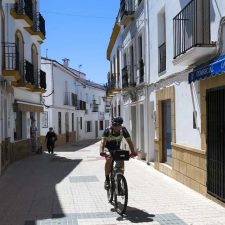
  4. Prepare the equipment : adapt your mountain bike to the terrain and don't hesitate to consider an e-MTB for the most difficult sections.
  5. Book your accommodation : opt for places that value local culture, such as welcoming villages or farm stays.

How to choose your mountain bike for riding in Europe?

The choice of mountain bike depends on the type of route planned:

  • For a long crossing like the European Continental DivideA robust mountain bike with good battery life is recommended, sometimes an e-MTB to manage fatigue.
  • For technical coursesA full suspension model will offer comfort and control.
  • For easy or mixed routesA semi-rigid boat may suffice, being lighter for the distance.
  • Additional equipmentDon't forget protective gear, suitable panniers, GPS and repair tools.

A good compromise between performance, comfort and versatility is essential to adapt to the diversity of European landscapes.

Where can I find reliable GPS tracks for my mountain biking routes in Europe?

Several resources provide access to reliable and suitable data traces:

  • Europe on the wire offers field-tested files, highlighting European diversity and the watershed.
  • EuroVelo offers a network of accessible cycle routes, although their orientation is more focused on road cycling.
  • Local mountain biking communities : on forums and specialized applications, they often share traces adapted to different levels.

Combining these resources makes it easier to prepare and adapt your journey according to your desires and abilities.

Which European countries offer the most culturally rich mountain biking routes?

Each country has its own cultural specificities, which are highlighted by its mountain biking routes:

  • France: diversity of regions, historical heritage, picturesque villages and gastronomy.
  • Italy: Mediterranean atmosphere, Roman remains, vineyards and Tuscan hills.
  • Slovenia: wild nature, alpine traditions, and openness to the Balkans.
  • Spain: varied landscapes, Arab influence, ancient architecture and gastronomy.
  • Balkans (Croatia, Bulgaria, Serbia): routes that are still relatively unfrequented, rich in history and authenticity.

These territories offer a unique experience for cyclists who wish to combine effort and discovery.

Europesurlefil, tracing the European Continental Divide: a demanding and immersive adventure

Among the multitude of routes in Europe, Europesurlefil stands out because:

  • A route crossing approximately 15 countries, linking nature, heritage and adventure.
  • A cross-border approach highlighting European cultural diversity and hydrographic wealth.
  • A course design combining physical challenges with authentic cultural experiences.

This option is especially suited to those seeking a long-distance, challenging, and immersive adventure, far from the usual tourist routes. Europesurlefil offers a multi-activity experience that can be enhanced by skiing, trail running, or bikepacking, inviting an even more complete adventure.

Conclusion: How to choose the ideal mountain biking route in Europe?

The perfect route depends on your tastes, your fitness level, and your appetite for cultural discovery. Incorporating this aspect into your itinerary choice adds an extra dimension. Routes following the watershed, as well as iconic itineraries in France, the Balkans, or elsewhere in Europe, harmoniously combine physical exertion and exploration.

For a successful adventure:

  • Choose a route suited to your technique and endurance.
  • Choose a route that crosses different regions and cultures.
  • Alternate between technical sections and moments dedicated to discovery.
  • Access reliable GPS tracks and local information.

To explore this wonderful adventure, feel free to consult other articles on our blog to enrich your preparation.

European Continental Divide: Mountain biking and wellness routes along the Europesurlefil trail

European Continental Divide: Mountain biking and wellness routes along the Europesurlefil trail

For those looking to combine cycling adventure with rejuvenating breaks, Europe offers a variety of routes off the beaten track. The Europesurlefil route follows the European Continental Divide, a natural watershed crossing 15 countries. This unique route invites an in-depth exploration of landscapes and cultures, with stages where sport and relaxation find a harmonious balance.

Europesurlefil: a mountain biking route anchored on the watershed in Europe

Europesurlefil stands out for its route, which follows the hydrological line of the European continental divide. More than just a route, it's a cross-border project that showcases often overlooked territories, blending wild nature and cultural heritage. This long-distance trail is designed to be accessible to mountain bikers of all levels, with a combination of challenging stages and rest stops dedicated to well-being.

The itinerary incorporates selected accommodations and services, sometimes including spa, relaxation areas or complementary activities such as yoga and thermal baths, enhancing the overall post-exercise recovery experience.

Where to follow Europesurlefil while enjoying the wellness facilities?

The Europesurlefil trail crosses several regions ideal for mountain biking, with suitable infrastructure for relaxation:

  • The French Alps, with renowned mountain biking areas and accommodations with mountain spas.
  • The Black Forest in Germany, where mountain bike trails intersect with well-equipped spa resorts.
  • Luxembourg, notably via the Transardennaise, a 166 km route that is very popular and combines nature with the comfort of welcoming inns.
  • The Pyrenees, which offer a diversity of routes and ancient thermal facilities.

These stages allow you to fully experience the spirit of the Europesurlefil trail, combining effort and relaxation in authentic settings.

Iconic routes linked to the European Continental Divide for mountain bikers seeking well-being

The Europesurlefil route is designed for long-distance travel, but other itineraries can enrich this experience:

  • The Europesurlefil trace itself, where each stage is designed to alternate between sporting challenges and recovery time.
  • The EuroVelo 4 network, which crosses 7 countries over more than 5,000 km, ideal for those looking for more tranquil walks with access to wellness places.
  • The Transardennaise, a technical and user-friendly route, particularly suitable for a stay of a few days with comfort and wellness breaks.

These routes offer a mix of adventure, culture and relaxation opportunities, in line with the values of Europesurlefil.

Tips for planning a wellness-focused mountain bike trip along the European Continental Divide

To organize a trip combining mountain biking and relaxation, a few points are essential:

  1. Choose a suitable pace : choose steps that are neither too long nor too difficult to fully enjoy your wellness breaks.
  2. Choose accommodations offering wellness services : spas, massages or relaxation areas.
  3. Consider the electric mountain bike to better manage effort and conserve your energy.
  4. Plan your trip according to the seasons July and October are the best compromises between pleasant weather and accessibility of services.
  5. Promote local trade and personalized services to enrich your experience.

Tools like Viavelo or BikeAtlas are useful for identifying suitable stages and infrastructure along the Europesurlefil route.

Wellness facilities to enjoy alongside your mountain biking adventure

Beyond simple recycling, some facilities truly enrich the stay:

  • Spas and thermal centers for optimal recovery in recognized waters.
  • Sports massages available in some accommodations or resorts.
  • Spaces dedicated to yoga and meditation, often offered indoors or in the great outdoors.
  • Healthy food focused on local and organic products, to support physical effort.

These services facilitate fatigue management and contribute to a more complete experience.

Key European regions along the Europesurlefil route and their mountain biking and wellness attractions

The Europesurlefil route crosses several remarkable areas:

  • France, with the Alps and other mountain ranges where sport and relaxation are easily combined.
  • Northern Italy, in particular the Dolomites, offering unique landscapes and quality wellness services.
  • Spain, with the Catalan Pyrenees renowned for their thermal traditions.
  • Swiss, combining mountainous terrain and wellness-oriented accommodations.

These regions perfectly embody the cross-border and natural spirit of the European Continental Divide.

When to take the Europesurlefil route to combine mountain biking and wellness?

To fully enjoy your trip:

  • Spring and early summer : ideal conditions, vibrant nature and moderate visitor numbers.
  • July : high season, with an extensive range of activities and wellness services.
  • October : a calmer atmosphere, with landscapes in autumn colours and often mild weather.

These periods ensure a good balance between conditions for mountain biking and access to facilities dedicated to well-being.

Europesurlefil and the European Continental Divide: an immersive guide for your cross-border ski touring expedition

Europesurlefil and the European Continental Divide: an immersive guide for your cross-border ski touring expedition

Ski touring is much more than just a sport; it's an invitation to experience an authentic adventure in the heart of the mountains, an immersive journey where exertion blends with the discovery of the landscapes and cultures that mark the European Continental Divide. Organizing a ski tour along this iconic line means embarking on a unique voyage, rich in cross-border encounters and powerful emotions. Whether you're looking for the best routes, tailored guidance, or practical advice for your equipment, Europesurlefil immerses you in a world where every track tells a story.

What happens during a ski touring expedition in the heart of the European Continental Divide?

A ski touring expedition on the European Continental Divide is characterized by its itinerant and cross-border nature, offering cultural immersion in addition to the physical challenge. Each day reveals a new landscape, a new atmosphere, with the option of being accompanied by a local guide. While the guidance of an experienced guide is often recommended to ensure your safety and optimize the experience, especially in sometimes technical alpine terrain, some more seasoned skiers can also venture out independently by meticulously planning their route. Europesurlefil values this diversity of approaches, always with the aim of respecting the environment and the territories traversed.

Europesurlefil's best destinations for a ski touring expedition on the European Continental Divide 

The Alps remain the beating heart of these iconic crossings, with varied routes that perfectly embody the spirit of Europesurlefil:

  • Crossing the Alps : a journey in 63 stages that spans several winters, offering a deep immersion in the cross-border alpine landscapes and cultures.
  • The raid around Mont Blanc : between 4 and 10 days capturing the essence of Europe's most famous mountain range, reserved for experienced ski tourers seeking a challenge rich in unforgettable panoramas.
  • Chamonix-Zermatt : 6 days combining sport and discovery, where each descent is experienced as an immersion in the heart of sharing between France and Switzerland.
  • The Clarée : an accessible 3-day raid, ideal for a first experience that combines gentleness and preserved natural scenery.
  • The Tour of the Clarée : 4 days of trekking between valleys and peaks, for a progressive and confident discovery of ski touring, as close as possible to local traditions.

For those wishing to explore other horizons, Norway also offers captivating expeditions, providing another vision of ski touring, wilder and more intimate.

Essential equipment for your Europesurlefil ski touring trip

To traverse the European Continental Divide with complete peace of mind, it is crucial to prepare your equipment properly:

  • Ski touring : lightweight and versatile to combine efficient climbing and smooth descents.
  • Seal skins : essential for optimal grip when climbing.
  • Ski touring boots : comfortable, offering support and precision.
  • Safety equipment : ARVA, shovel, probe to deal with the hazards of the mountains.
  • Technical clothing : layering system, windproof, and thermal protection adapted to the variability of the alpine climate.
  • Backpack : compact and functional for your equipment and supplies.

While the guide can provide valuable support for equipment management and logistics, especially for novices, Europesurlefil also encourages quickly acquiring the skills necessary for thoughtful autonomy.

Prepare your Europesurlefil ski tour for an optimal experience

Beyond equipment, your physical and mental preparation is crucial to fully enjoying each stage. Ski touring on a multi-day trip demands endurance, technical mastery, and knowledge of the terrain. Europesurlefil recommends:

  • Familiarize yourself with your equipment and the analysis of weather and snow conditions.
  • Consult the departure periods best suited to your level (March remains the preferred month for its often optimal conditions).
  • Carefully plan your itinerary, taking into account the desired duration and the cultural variations you wish to discover.
  • Choose a suitable raid, from a discovery circuit to a more challenging route, to meet your sporting and cultural expectations.

Note that while guidance is often preferred, it is not always mandatory but remains a valuable asset depending on the complexity of the route and your experience.

Risks and constraints: vigilance is essential regarding the European Continental Divide

The allure of the Europesurlefil ski touring comes with serious challenges inherent to high-mountain environments: avalanches, unpredictable weather, and increased fatigue. Gathering information beforehand, having complete equipment, and knowing how to adapt your route to the conditions are essential. Europesurlefil values mental preparation as much as physical preparation, ensuring that each stage is approached with composure and respect for the fragile environment.

Choose a guide or agency from Europesurlefil for your ski touring trip

To fully experience the adventure on the European Continental Divide, choose professionals recognized by Europesurlefil, who combine technical expertise with in-depth knowledge of the terrain and local cultures. A good guide will adapt the route to the group's abilities, facilitate encounters along the border crossings, and guarantee safety without restricting freedom.

Don't hesitate to consult reviews, check the durations offered (generally between 3 and 10 days), prices, and included services (accommodation, full board, equipment rental). Europesurlefil also offers detailed articles to help you make your choice, such as "How to choose your guide for a ski touring trip."

Ski Raid Duration (days) Required level Average price (€) Management Destination
Crossing the Alps ~63 stages over 3 winters Intermediate to expert Price upon request, depending on the stage. Possible guide Alps
Mont Blanc Raid 4 to 10 days Expert From €650 to €1200 depending on the duration Supervision available upon request Mont Blanc
Chamonix-Zermatt 6 days Intermediary-expert Approximately €700 (based on quotes from local agencies) Possible guide Alps
Clear Raid 3 days Beginner to intermediate €480-500 (average price listed) Optional supervision Clarée
Clarée Tower 4 days Beginner Approximately €450-600 depending on services Supervision available upon request Clarée

In summary: your Europesurlefil ski touring project, a cross-border and cultural adventure

Ski touring on the European Continental Divide is the thrilling combination of mountains, sport, and human connection across borders. Europesurlefil guides you to make this experience an unforgettable immersion, where preparation, route selection, and local knowledge come together to reveal the soul of the European mountains. Whether you opt for a short tour or a more ambitious traverse, let yourself be carried away by the cultural richness and natural diversity that only this watershed can offer.

To enrich your adventure, also discover our other articles on the Europesurlefil blog , dedicated to great raids, cross-border routes and authentic mountain activities.

Exploring the route of the European Continental Divide: a unique adventure in Europe

Exploring the route of the European Continental Divide: a unique adventure in Europe

The European Continental Divide is a natural line that separates the watersheds of the European continent, forming a true hydrological backbone. Following this route means embarking on a cross-border adventure through diverse and majestic landscapes, combining geographical, cultural, and human discoveries over thousands of kilometers.

The European Continental Divide: a natural route across Europe

This watershed line crosses approximately 15 European countries, linking mountains, forests, and valleys. It offers an exceptional panorama of the ecological diversity of our continent and allows us to understand the major hydrological flows that influence the different watersheds.

Following the trail of the European Continental Divide is also an immersion in European history and geography, crossing territories with rich and varied heritages.

Why join a community to follow this route?

Exploring the European Continental Divide in a guided group promotes safety, conviviality, and exchange.Beyond individual enjoyment, this collective approach facilitates the complex logistics of such a long and multi-activity itinerary.

Dedicated communities, such as those highlighted by Europesurlefil , support sustainable and nature-friendly tourism by promoting local expertise and reducing environmental impact.

Planning your trip: multi-activities, mountain huts and logistics

The variety of possible activities – hiking, mountain biking, trail running, ski touring – allows you to adapt your route to your preferences and the season. Nights spent in mountain huts guarantee warm and safe accommodation, while also providing a base for rest and conversation.

Specialized platforms offer a complete organization, including access to shelters and support from experienced guides, which greatly facilitates the preparation and execution of the trip.

The guides: an essential role for a successful adventure

Local guides, sometimes called Adventurers, play a key role in the experience. Their in-depth knowledge of the territories traversed and their passion for adventure ensure safety, cultural enrichment, and a positive atmosphere within the groups, which are limited in size to encourage quality interactions.

Europesurlefil: a committed and authentic project

This project promotes a responsible approach to adventure in Europe, inviting participants to discover the European Continental Divide route over long distances and through various countries. Europesurlefil encourages respect for nature, the discovery of local cultures, and the commitment of each participant to an authentic and challenging experience.

Useful links to further your exploration

To learn more about the European Continental Divide, its geographical features and possible routes, consult the resources available on Europesurlefil.com and explore the articles dedicated to this unique adventure.

Joining the Europesurlefil community: a human and natural adventure

Taking part in this adventure means joining a passionate community, ready to share advice and experiences to better navigate the challenge of the European Continental Divide. It opens the door to enriching exchanges and the discovery of exceptional natural and cultural heritage.

This collective approach also promotes sustainable and respectful practices, which are essential in the face of current environmental challenges..

Travel time for a major European crossing: how many days should I allow for the adventure?

Travel time for a major European crossing: how many days should I allow for the adventure?

Walking across Europe isn't simply about connecting two points; it's about following the natural line that divides the continent's watersheds, known as the European Continental Divide. But how long should you really allocate to this expedition? And how can you organize it effectively? Let's examine these aspects together.

What characterizes a great European crossing?

A major European crossing often refers to a long-distance, marked route that traverses several territories or countries. This type of journey offers an immersion in diverse landscapes—mountains, forests, villages, and Alpine passes—connecting different cultures and natural environments. The European Continental Divide embodies this idea by following the natural line that separates watersheds and crosses fifteen countries.

In summary, these crossings are distinguished by their exceptional length and the diversity of the environments traversed.

How much time should I allow for a long European journey?

The duration depends primarily on the chosen route, your pace, the weather conditions, and your preparation. For example, the Grande Traversée des Alpes (GTA) in France covers approximately 630 km and is generally completed in 30 to 35 days. This route connects Lake Geneva to the Mediterranean Sea, crossing mountain ranges such as Mont Blanc, Beaufortain, and Mercantour, with walking stages varying between 18 and 25 km.

For the European Continental Divide , which crosses fifteen countries, the journey is much longer and can last several months, depending on the route taken. This adventure requires self-sufficiency and adaptation to diverse terrains and infrastructure.

Preparing for a major European crossing

Embarking on such an expedition requires rigorous preparation. Start by clearly defining your availability in days , so you can adapt your route accordingly. Choosing an itinerary that matches your physical condition and preferred scenery is essential.

Choosing your equipment requires careful consideration: opt for lightweight but complete gear (appropriate clothing, camping equipment, safety gear, food). Pay particular attention to self-sufficiency in remote areas.

Practical advice

  • Test your bag and equipment on short hikes.
  • Develop a flexible plan with steps tailored to your endurance.
  • Find out about marked trails, water points and available shelters.
  • Prepare yourself physically, especially if you are facing high mountain passes or technical terrain.

Why prefer the European Continental Divide?

The European Continental Divide is distinguished by its cross-border dimension and its route following a natural hydrological line crossing 15 countries. Unlike more touristy or national trails, it offers a rich immersion in the cultural and geographical diversity of the continent.

Europe on the wire highlights this demanding adventure, which goes beyond simple hiking to invite an intense human and environmental experience.

Seasons for embarking on a long voyage

Choosing the right time is crucial. The favorable season generally extends from mid-June to the end of September, particularly for alpine crossings, where snow can make mountain passes inaccessible.

Here are some key points:

  • Alpine and high mountain ranges: mid-June to September
  • Lower or southern zones: early spring to autumn

It's risky to go hiking off-season due to weather conditions, trail closures, or potential hazards. Be sure to carefully consider the weather forecast, the length of the days, and your equipment.

Physical challenges

Endurance, managing effort over several days, and adapting to elevation changes and changing weather conditions (rain, wind, heat) are central to the requirements. Solid physical preparation, as well as self-reliance and good mental management, are essential.

Marked trails simplify navigation, but it is also essential to adopt a measured approach so as not to burn out too early.

Choosing the right long-distance hike

Before you begin, ask yourself these questions:

  1. How many days do you actually have? The difference between one month and several months changes everything.
  2. Which landscapes do you prefer? Mountains, forests, traditional villages, wild plains?
  3. What is your physical fitness level? Are you ready to tackle elevation changes and maintain prolonged endurance?

Your answers will guide your choice of route, pace and equipment.

Major and alternative routes in Europe

Beyond the European Continental Divide, several other major crossings deserve attention. The Great Alpine Crossing is emblematic, as is the GR5, along with routes through the Pyrenees or the Carpathians.

Europesurlefil offers itineraries that prioritize an authentic, ecological and cross-border approach to Europe.

Equipment and autonomy

In addition to the essentials of hiking, a long trek requires effective self-sufficiency management: water, food, hygiene, and repairs. Lightweight, reliable equipment adapted to varying conditions (cold, heat, humidity) is essential.

Navigation tools (map, GPS) and a complete first-aid kit are essential. Logistics between stages are of great importance, especially in remote areas.

Europesurlefil and the European Continental Divide: an adventure to be lived

This line on the map is not simply a trace, but an invitation to explore Europe through its landscapes and rivers, to feel the power of natural borders and local stories. The journey offered by Europesurlefil is a human, cultural, and ecological experience, far beyond a sporting challenge.

For those seeking an adventure that is both physical and rich in discoveries, the European Continental Divide offers a destination full of meaning.