The Sierra Nevada in the wake of the European Continental Divide: an adventure on skis or on foot

The Sierra Nevada in the wake of the European Continental Divide: an adventure on skis or on foot

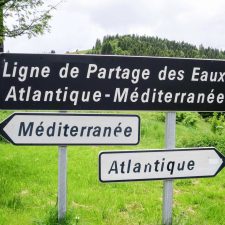
The Sierra Nevada in Andalusia fascinates with its unique contrast: a ski resort nestled near Granada, in a landscape where snow meets Mediterranean sea spray. People don't come here just to ski, but to experience the soul of a mountain that forms an integral part of the legendary European Continental Divide—the watershed that crosses Europe, linking wild landscapes and sporting challenges.

Why choose the Sierra Nevada on the European Continental Divide route?

Choosing to ski in the Sierra Nevada means immersing yourself in a rare adventure. Between 2,100 and 3,300 meters in altitude, this resort offers 112.5 km of slopes across 134 runs, creating an impressive playground for skiers seeking authenticity. Here, the snow doesn't come from a typical alpine region, but from a bold mountain, the highest in Spain and a key segment of the European Continental Divide.

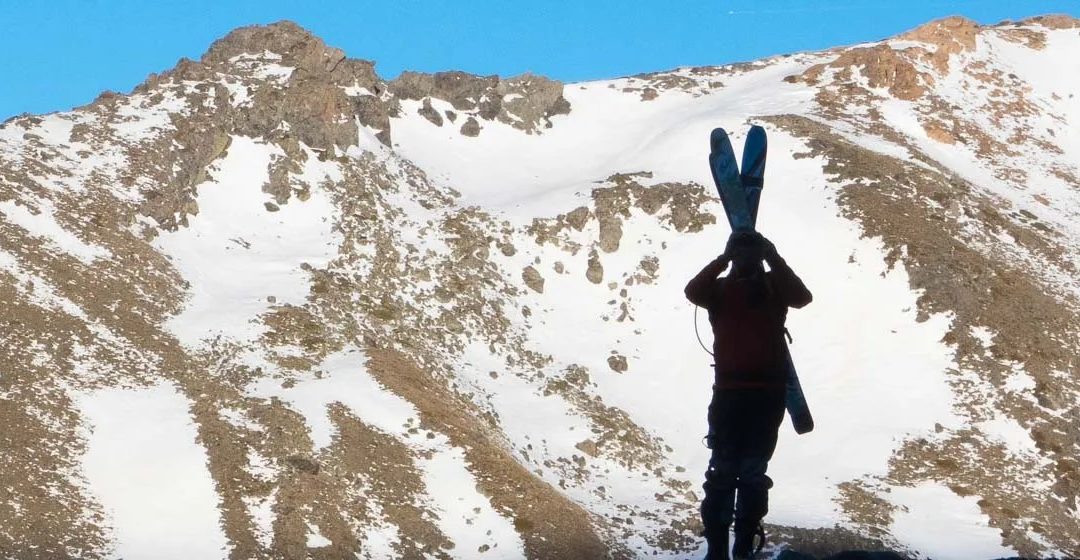
You can put on your skis at the foot of the snow-covered peaks and let your gaze wander towards the Mediterranean in the distance. The quality of the snow, often abundant in winter, blends mountain rigor with Andalusian gentleness, giving the experience a unique flavor, both sporting and cultural.

Hiking and skiing: the perfect balance on the European Continental Divide

The Sierra Nevada offers a rare combination: slopes for ski enthusiasts and trails for curious hikers. Between the high plateaus and ridges, hiking routes beckon to those who want to experience the power of nature, far from the hustle and bustle. According to Europesurlefil , this leg of the European Continental Divide is an invitation to venture both on snow and inland, in search of experiences steeped in history and geography.

Imagine setting off from Capileira, a charming village in the Alpujarras, and trekking towards the peaks, where the panorama encompasses the Alhambra, the white villages, and the Andalusian plain. In winter, hiking takes on a new dimension, offering a silent exploration of the mountains under the snow, far from the ski slopes.

When is the best time to enjoy the Sierra Nevada in the rhythm of the European seasons?

It all depends on your preferences: the ski season generally begins at the end of November and extends until the beginning of May. January and February promise abundant snow, perfect for enjoying skiing on one of the southernmost segments of the European watershed.

Conversely, spring (May-June) and autumn are ideal times for hikers who want to explore snow-free trails, enjoying mild weather and sparkling panoramas. Summer, when the snow almost completely melts, opens the door to long village excursions and the discovery of local secrets on foot.

Where to stay to explore the Sierra Nevada and its place on the European Continental Divide?

Your choice of accommodation will influence your experience. Pradollano, in the heart of the resort, is perfect for direct access to the slopes and hiking trails, with a range of hotels and hostels to suit all budgets, equipped for equipment rental. It's a haven for sports enthusiasts seeking total immersion.

For those who prefer a stay combining mountains and culture, Granada, located about 20 kilometers away, offers a vibrant contrast. Staying in this historic city allows you to extend your adventure with gastronomic and heritage discoveries, while keeping your feet in the mountains thanks to efficient shuttles that reach the Sierra Nevada in less than an hour.

Booking equipment and courses is key to this stage of the European Continental Divide.

The high volume of visitors to the Sierra Nevada necessitates some advance planning. To ensure a smooth trip, especially during peak season, booking your ski equipment in advance is highly recommended. Shops in Pradollano offer classic skis, snowboards, and ski touring equipment. Online booking also makes it easier to access discounted rates.

Beginners will greatly benefit from booking a course before departure, ensuring a more relaxed learning experience and rapid confidence on the slopes, the very essence of a successful stay on this section of the European Continental Divide.

Which package should I choose to fully experience the Sierra Nevada on Europesurlefil?

The passes are tailored to the duration and profile of each visitor. Whether for a day, several days, or a season, each option offers access to a ski area where you can enjoy both ski lifts and hiking. The pass is designed to showcase the diversity of the terrain, from wide slopes to more challenging areas.

Novices will appreciate the packages specifically for beginner areas, while experts will be tempted by the entire area, enjoying every turn on this unique course which is part of the great adventure of the European Continental Divide.

The Sierra Nevada: a playground accessible to all levels

Whether you're a beginner or an experienced skier, the Sierra Nevada offers a warm and professional welcome. Its network of green and blue runs ensures a smooth progression for beginners, especially in Pradollano where the ski schools are well-versed in welcoming novices.

Booking lessons in advance is a major advantage for gaining confidence. Gradually, you can try out more varied slopes, benefiting from infrastructure designed for everyone in the heart of this section of the European Continental Divide.

How to easily access the Sierra Nevada-Pradollano resort from Granada?

The connection between Granada and the resort is efficient. By car, the journey takes approximately 45 minutes via the well-signposted A-395 highway, but caution is advised in winter due to unpredictable weather conditions. Those without a vehicle can opt for frequent shuttle buses, which are very convenient during the season.

This accessibility reinforces the uniqueness of the place: a stop where Andalusian culture and mountain nature meet on the edge of the great European watershed.

Should you choose the Sierra Nevada for your next adventure on the European Continental Divide?

Skiing or hiking in the Sierra Nevada is much more than just a mountain pass. It's an escape where Andalusian nature expresses itself in all its richness, blending sport, history, and breathtaking landscapes. With modern infrastructure and a spirit of adventure that perfectly aligns with the Europesurlefil philosophy, this leg of the European Continental Divide promises an unforgettable journey.

By combining skiing and hiking, the Sierra Nevada offers a wide range of activities, from the winter snows to the trails that come alive in the warmer seasons. Not to mention the proximity of Granada, with its white villages and rich heritage, which provide a unique cultural experience.

Ultimately, the decision rests with each individual: skiing down the slopes, exploring off-piste trails, or enjoying both. In any case, the Sierra Nevada on the European Continental Divide proves to be a unique destination, to be rediscovered with each adventure.
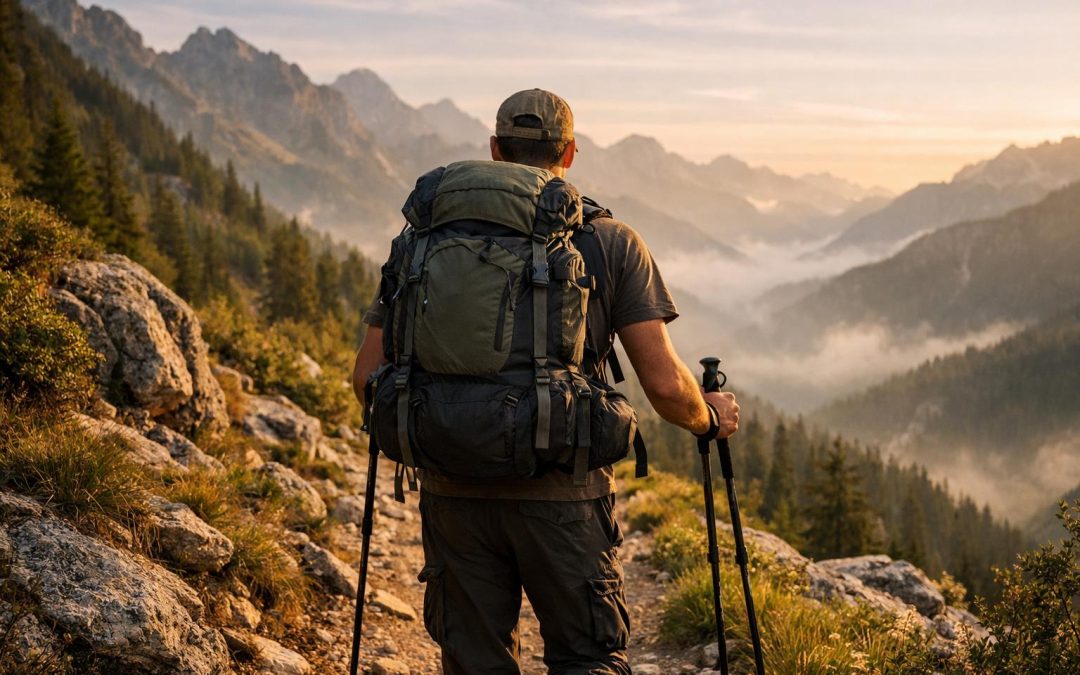
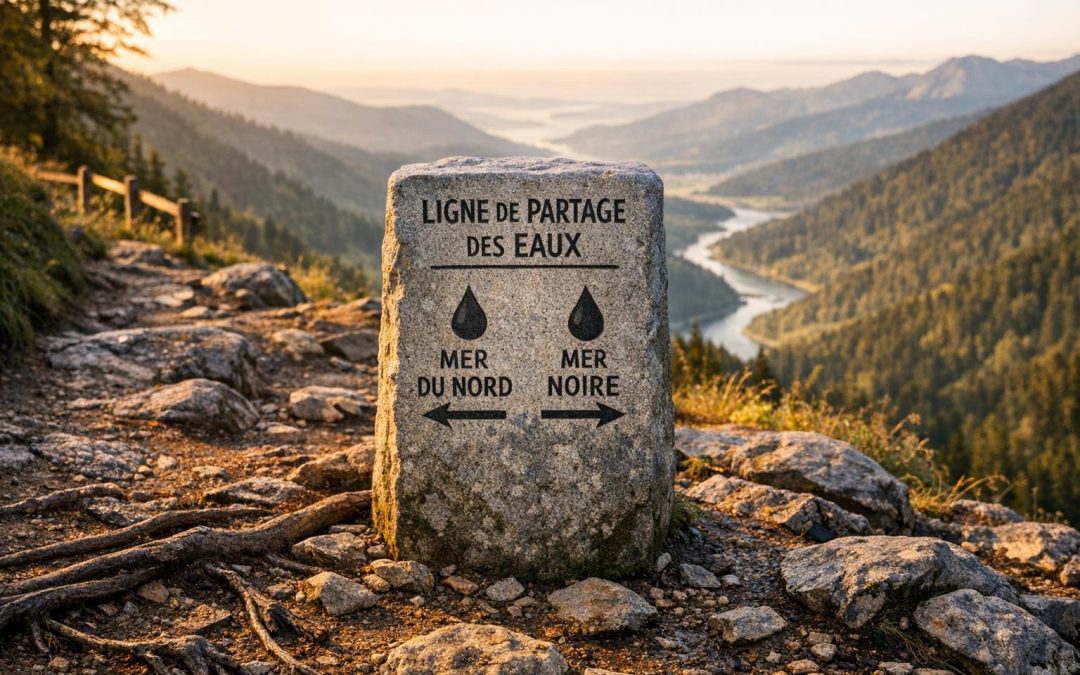
Experience trekking off the beaten track

Experience trekking off the beaten track

When trekking becomes more than just getting from point A to point B, the adventure takes on a special dimension. It's this quest for genuine connection with nature and local communities that drives many travelers to explore less-traveled routes. But how can you truly enjoy a meaningful trek?

Is it possible to go hiking alone and experience a true immersion?

Traveling alone on a hike can be liberating. However, questions of safety and integration arise. Small group tours, often led by a local guide, facilitate interaction and provide a reassuring framework while allowing for authenticity.

For those wishing to travel independently, it is crucial to carefully plan your itinerary, inform your loved ones, and rely on local contacts you meet along the way. While independence offers wonderful freedom, the richness of shared encounters and discoveries often remains at the heart of a successful experience.

Why are traditional routes showing their limitations?

Popular trails, particularly in the French Alps and the Pyrenees, have their appeal, but their increasing popularity often transforms these routes into crowded corridors. This overcrowding diminishes the feeling of solitude in nature, with mountain huts quickly becoming full and an atmosphere less conducive to exploration.

It is in this context that Europesurlefil , the European Continental Divide route, highlights journeys through unspoiled, still relatively unknown landscapes. For example, the Dinaric Alps offer wild and spectacular scenery, far removed from mass tourism infrastructure. These routes allow for a deep immersion in pristine nature, revealing the cultural richness and raw beauty of the area.

How to prepare for a successful trekking adventure?

  • Choose competent support: An experienced local guide ensures safety and unlocks the doors to traditions and secret corners.
  • Favor small groups: This optimizes comfort, limits the ecological impact and promotes more authentic exchanges.
  • Choose suitable equipment: Lightweight equipment, appropriate physical preparation, and good management of essential resources are indispensable.
  • Respect the territory and its inhabitants: Responsible tourism commits the traveler to preserving natural environments and local ways of life.

Positive feedback from travellers who have experienced these approaches with players like Nomade Aventure or Terres Oubliées confirms that good preparation is essential to fully experience your adventure.

Where to start your trek for a first immersion in nature?

Choosing the destination is crucial. A good balance must be found between unspoiled nature and access to limited but effective infrastructure.

The Dinaric Alps are among the ideal terrains for a first major hike in Europe, thanks to their authenticity and low tourist traffic.

Furthermore, some trips offered by Autentika Voyages or Tamera promote immersion in traditional European societies, in territories that are still little explored, combining natural and cultural discoveries.

What meaning do we give to adventure travel today?

An adventure trip is, above all, about opening yourself up to the unexpected, stepping outside your comfort zone, and forging deep connections with nature and the people you meet. It's not just an exploration of landscapes, but a complete human experience.

For several decades, operators like Nomade Aventure have helped structure this approach, with a particular focus on safety and environmental impact. This also includes promoting public transportation and maintaining respectful relationships with the communities they travel through.

Commitments to respectful and sustainable tourism

Respect for the environment is now an integral part of any successful trekking experience. It is essential to choose offers that encourage:

  • Small groups to reduce pressure on natural environments
  • Links with local communities, fostering their economy while respecting their ways of life
  • Respectful hiking practices, including waste management and biodiversity preservation
  • Carbon offsetting for travel and the use of soft modes of transport

Adopting these principles enriches the experience and contributes to the preservation of the territories visited.

What does a price for a small group trek usually include?

A fair price reflects recognized expertise, long-term commitments, and quality service. Generally, it covers:

  • Accompaniment by qualified local guides
  • Complete logistics, including accommodation and meals in accordance with local culture
  • Safe and environmentally friendly internal travel
  • Routes carefully selected for their low traffic.
  • Appropriate insurance

This framework is essential to ensure that the trek proceeds smoothly and that each stage is a moment of discovery.

Europesurlefil and the European Continental Divide line: a cross-border adventure

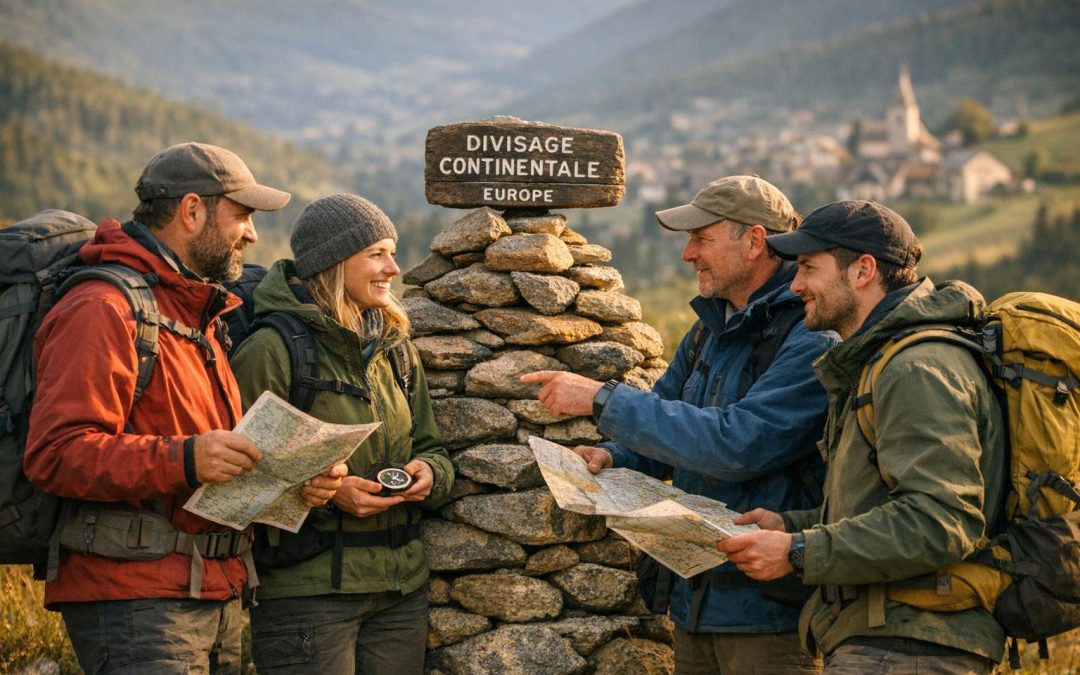
Europesurlefil, the trace of the European Continental Divide, embodies a demanding vision of a route traversing the soul of European landscapes and cultures. This watershed, which crosses fifteen countries, is much more than a simple natural boundary: it is an invitation to explore wild spaces, steeped in history and traditions.

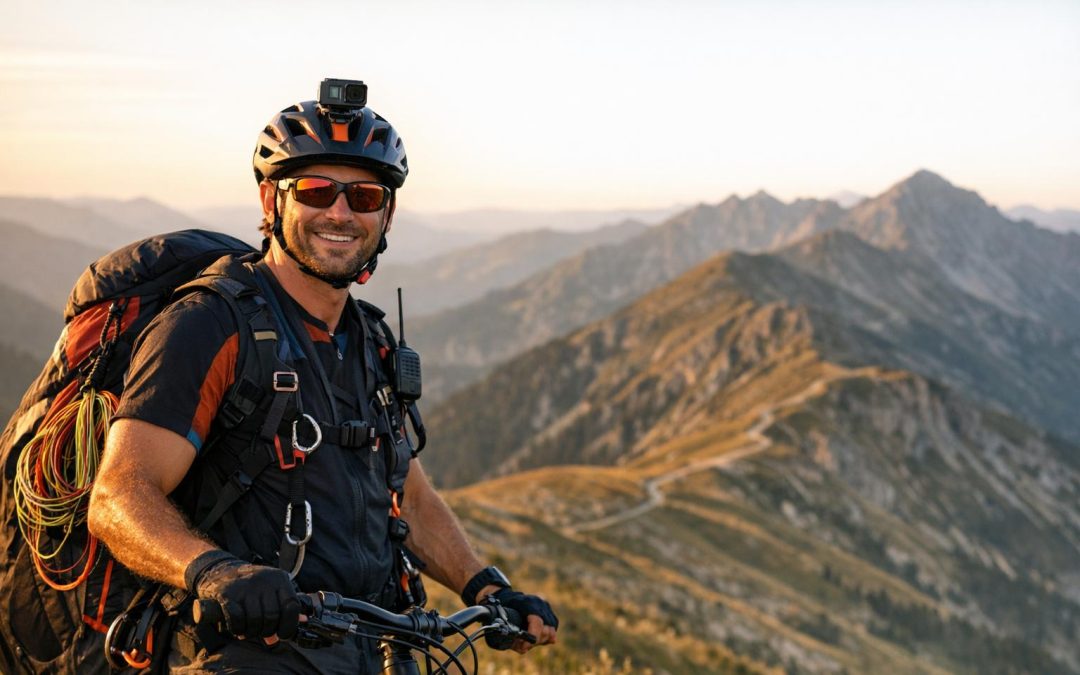
This multi-activity route integrates hiking, mountain biking, and skiing, thus renewing the outdoor experience. It invites travelers to immerse themselves in the diversity and power of the elements, far from overcrowding and classic tourist circuits.

Walking in this footsteps means opening yourself up to the stories of peoples, feeling nature in all its power, and experiencing a journey where each day holds its discoveries.

European Continental Divide: Following the watershed line along Europe's greatest trails

European Continental Divide: Following the watershed line along Europe's greatest trails

Following the European Continental Divide means embarking on a unique journey that traces the watershed through 15 European countries. Much more than a simple hike, this cross-border project offers a profound immersion in territories where nature, culture, and history are inextricably intertwined. Rather than mere trails, these are demanding routes that encourage the discovery of breathtaking landscapes and challenges suited to various outdoor activities: trail running, mountain biking, ski touring, and bikepacking. Here's how to embrace this unparalleled adventure and explore the richness of the European watershed.

Why choose the European Continental Divide for an exceptional adventure?

The European Continental Divide is not just another route. It's a multi-activity journey stretching over 8,000 km, linking iconic mountain ranges and sparsely populated wilderness areas. This watershed offers a route where every step, every pedal stroke brings you closer to an authentic Europe, combined with intense physical exertion and an immersive experience. This route blends Alpine, Balkan, Carpathian, and other major European landscapes.

A cross-border crossing, ideal for adventure enthusiasts

  • Immersion in 15 countries : the line connects French regions to Slovenian peaks via Austria, Switzerland, Italy, Croatia and beyond, testifying to a Europe connected by nature.
  • Multi-activities : demanding trail running on technical paths, mountain biking on varied tracks, ski touring in winter, bikepacking for explorers over several days.
  • A permanent challenge : altitude, rugged terrain, changing weather, this route embodies the physical and mental demands that authentic adventurers seek.

Concrete examples of emblematic sections

  • The French, Swiss and Italian Alps : magnificent panoramas, high-altitude refuges, technical sections where the precision of the route is measured.
  • The Carpathian Mountains : offers a wild and unspoiled natural environment where wildlife reigns supreme, perfect for immersive trail running or mountain biking outings.
  • The Balkan Mountains : a powerful cultural discovery that enriches every stage, whether ski touring or summer hiking.

How to plan your route along the European watershed?

Choosing a section of the European Continental Divide depends on your experience, skills, and availability. The routes can be adapted to different ambitions, from short getaways to long adventures.

For trail running and mountain biking enthusiasts

The marked trails of the European Continental Divide offer technical sections, alternating between varied terrain and sometimes significant elevation changes. Be sure to prepare your equipment and physical condition carefully to tackle these sections. The diversity of the landscapes and the rich history of the areas traversed will motivate every effort.

For ski touring enthusiasts

In winter, the European Continental Divide transforms into a demanding snow-covered route, with high mountain sections and exceptional panoramas. Mountain huts and natural shelters are often the only points of reference, making preparation and caution essential.

The bikepacking aspect: setting off independently for several days

For two-wheeled travelers, bikepacking along the watershed is an unforgettable experience. The route combines mountain roads, forest tracks, and sometimes less accessible paths, promoting self-sufficiency and discovery at nature's pace.

Essential equipment for a successful expedition along the European Continental Divide

  • Appropriate footwear and equipment : sturdy trail shoes, mountain bikes with suspension, touring skis, depending on the season.
  • Technical clothing compliant with varying weather requirements, with particular attention to warm and waterproof layers.
  • Navigation tools precise: GPS specific to European trails, detailed topographic maps, applications dedicated to the European Continental Divide.
  • Self-sufficiency equipment : backpack with provisions, lightweight bivouac equipment, high-performance hydration systems.

Strategic accommodations to pace your progress

The European Continental Divide is dotted with mountain huts, guesthouses, and small inns, offering welcome stops to rest and refuel. These welcoming places also provide opportunities to connect with other enthusiasts and enrich the human experience of the journey.

Enhanced precautions in the mountains: safety and respect for the environment

  • Pay attention to the weather in these areas, which can sometimes be unpredictable and changeable.
  • Only venture out with a prepared and validated route.
  • Respect the fragile ecosystem of the natural parks crossed.
  • Avoid going alone on technical or isolated sections.
  • Report your route to a contact and wear appropriate safety equipment.

The wildest terrain on the watershed

The European Continental Divide takes you through often unspoiled areas, far from the beaten track:

  • The Carpathians : a refuge for European biodiversity, where forest and great plains meet.
  • The Scottish Highlands : wild expanses between mountains and lochs, complementing this adventure with a Celtic touch.
  • The fjords and mountains of Lofoten : breathtaking panoramas, an intense playground for adventurers.

Table of emblematic sections of the European Continental Divide

Section Country Duration Difficulty Special Features
French & Swiss Alps France, Switzerland 10 to 14 days Moderate to difficult Technical sections, high-altitude shelters
Romanian Carpathians Romania 7 to 10 days Moderate Wild nature, protected wildlife
Balkans (Slovenia, Croatia) Slovenia, Croatia 5 to 8 days Difficult Mixed culture, mountainous terrain
Scottish Highlands Scotland 6 to 8 days Moderate Wild expanses, lochs
Lofoten Norway 3 to 5 days Difficult Fjords, rugged mountains

Conclusion: Venturing onto the watershed line is an invitation to push beyond one's limits.

The European Continental Divide is much more than a sporting challenge or a simple hike: it's a demanding cross-border adventure where each stage is experienced as a profound encounter with the mountains, cultures, and history of the continent. This unique route offers a playground for trail running, mountain biking, ski touring, and bikepacking enthusiasts, inviting them to push their limits while immersing themselves in unspoiled nature. Europesurlefil embodies this ambitious and demanding project, offering everyone an experience worthy of an authentic, wild, and generous Europe, where the watershed becomes a powerful metaphor for the connection between people and their lands.

Explore the European Continental Divide: outdoor energy sports for a long-distance adventure in Europe

Explore the European Continental Divide: outdoor energy sports for a long-distance adventure in Europe

Have you ever felt that visceral urge to reconnect with nature, to silence the daily hustle and bustle, and to draw on a deep well of energy? By following the European Continental Divide, a true watershed crossing 15 countries, you'll discover a rare diversity of outdoor energy sports. Here, every exertion is combined with the raw beauty of the landscapes and the thrill of cross-border adventure.

Essential energy sports along the European Continental Divide for renewed vitality

The variety reflects the diverse landscapes traversed. Take hiking, for example, the most popular outdoor activity in France, enjoyed by 27 million people each year according to the French Hiking Federation (FFRandonnée). Following the path of the Continental Divide, it becomes an invitation to attentive observation and cultural discovery.

Running, on the other hand, offers a personal challenge, alternating between forest paths and mountain trails, in perfect harmony with the varied terrain of the watershed.

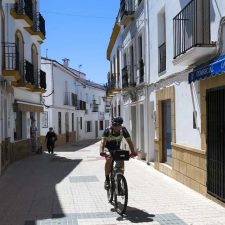
Mountain biking allows you to explore these exceptional territories at high speed. By following the marked trails, cyclists experience effort and speed while immersing themselves in nature without borders.

For those seeking mind-body balance, outdoor yoga, often practiced at dawn or sunset on peaceful heights, brings mental freshness and deep relaxation, precious after a day of effort.

Starting an outdoor energy sport along the European Continental Divide: practical advice

Incorporating these activities requires preparation. Opt for a gradual start: a few short sessions on suitable terrain, taking into account your physical condition, will establish a solid foundation.

Always begin with a thorough warm-up and take the time to listen to your body to adjust the pace and duration. These simple steps prevent injuries and excessive fatigue.

Finally, equip yourself according to the activity: suitable shoes, protection for mountain biking, and above all a light bag containing water and something to help you navigate are essential for a peaceful practice.

Iconic locations for energy sports around the European Continental Divide

More than just a natural border, this line stands out as an exceptional playground. Between the majestic Alps, the wild Pyrenees, the mysterious Carpathians and the northern forests, the possibilities are endless.

Each segment of the Divider reveals different landscapes and challenges, ideal for hiking, trail running, mountain biking or even skiing depending on the season.

Water activities, such as swimming in high-altitude lakes or paddleboarding on calm rivers, offer a complementary dimension, combining effort and immersion in the heart of the elements.

Essential equipment for a successful outdoor energy sports experience

Beyond the chosen sport, several elements remain essential. Breathable clothing, sturdy and suitable shoes, helmets and protective gear for demanding activities form the basis.

A lightweight bag, a water bottle or hydration system, and a first-aid kit should always be kept close at hand. For explorations off marked trails, a map or GPS is essential.

Having the right equipment guarantees greater comfort and safety, essential for fully appreciating the challenges ahead.

The powerful effects of outdoor energy sports on the body and mind

Practicing sport in the great outdoors along the Continental Divide engages the body completely, strengthens endurance and sculpts muscle tone.

But it is above all the interaction with living, unspoiled landscapes that nourishes the spirit, soothes the mind, and visibly reduces stress. The feeling of being part of something larger, at the heart of vast horizons, cultivates lasting well-being.

Whether in groups or alone, these activities are a bridge between performance and rejuvenation, a precious balance that makes this European adventure so unique.

Energy sports adapted for children to awaken their curiosity in nature

Younger children enjoy activities that combine play, discovery, and movement. Hiking on easy trails opens a door to the unknown and to learning.

Cycling on safe trails develops their balance and endurance, while a variety of outdoor games release their energy while stimulating their imagination.

Accompanying children on these natural explorations also means teaching them respect for spaces and the beauty of the environments they traverse.

Integrating outdoor energy sports sustainably: creating a nourishing habit

Making these practices a regular part of your schedule is an achievable goal. By alternating short sessions and longer outings, alone or with loved ones, routine becomes a source of joy and balance.

The key is to follow your feelings, alternate disciplines and let adventure naturally take hold in everyday life.

The trail of the European Continental Divide: a cross-border adventure of exploration and exchange

The trail of the European Continental Divide: a cross-border adventure of exploration and exchange

Exploring the European Continental Divide means embarking on a unique journey through 15 European countries, blending outdoor challenges with cultural discoveries. This watershed represents much more than a simple geographical marker: it is a backbone connecting wild territories, rich in history and ancient and contemporary human exchanges, at the heart of an immersive, multi-activity adventure.

Join a community of European adventurers involved in trail running, mountain biking, skiing and bikepacking

Joining a community of European adventurers around the Continental Divide means opening yourself up to a dynamic network where technical advice, authentic stories, and tailored routes are shared. By combining trail running, mountain biking, skiing, or bikepacking, each member brings their own experience, collectively enriching our understanding of the territories traversed. This direct immersion in nature and local cultures transcends tourist clichés to offer a truly experiential journey, respectful of the environment and its people.

Booking a hiking trip with overnight stays in mountain huts: practical tips for a successful adventure

Planning a hike with overnight stays in mountain huts requires careful planning. These huts, which mark key stages along the Continental Divide trails, offer an authentic connection to alpine and mountaineering history. Reservations are generally made through specialized platforms or local associations. Sharing experiences with other adventurers provides accurate information on the quality of the huts, seasonal conditions, and tips for optimizing your itinerary based on your planned outdoor activities.

Adopting a responsible approach for a positive impact on the territories traversed

Experiencing the Continental Divide adventure means recognizing the importance of preserving natural and cultural environments. A responsible approach involves reducing environmental impact, respecting local regulations, and supporting initiatives that enhance the value of these areas. This attitude is fully aligned with the spirit of Europesurlefil , which promotes sustainable and engaged use of the spaces traversed, ensuring that the connection between adventurers, nature, and communities remains strong and respectful.

Historical and contemporary interactions between populations and adventurers on the divide

The Continental Divide region has always been a crossroads of human and cultural exchange. Historically, these areas have seen diverse communities, economies, and traditions interact, extending far beyond mere trade. Today, these interactions continue through encounters between adventurers and local residents, fostering an enriching dialogue based on the exchange of outdoor experiences, the transmission of skills, and the discovery of natural and cultural heritage.

Resources and assets exchanged along the Continental Divide

Along the European Continental Divide, exchanges and sharing take many forms: knowledge sharing on specific sports (trail running, mountain biking, skiing, bikepacking), transmission of artisanal skills, promotion of local products, and encounters with diverse cultural heritages. These intangible and tangible resources foster a genuine territorial dynamic and promote respectful cultural exchange, strengthening the identity of the regions traversed.

The impacts of the adventure on territories and communities

The expedition following the Continental Divide has a multifaceted impact: it stimulates the local economy through outdoor tourism, encourages the preservation of natural environments through responsible practices, and promotes regional cultures by showcasing intangible heritage. For the adventurers, it is also a transformative experience—physical, cultural, and human—that strengthens their connection to a diverse and cross-border Europe.

Documenting the crossing: testimonies and accounts of European adventurers

Capturing the Continental Divide experience involves writing, photography, video, and online sharing. Travelers' accounts, often from various outdoor disciplines, offer a rich and diverse window onto the landscapes, technical challenges, and human encounters along the route. These contemporary sources, supplemented by local historical archives, attest to the depth and diversity of this cross-border adventure.

The motivations behind the quest for the European Continental Divide

The motivations of adventurers embarking on the Continental Divide trail are many: a sporting challenge, a quest for unspoiled nature, a desire to discover diverse cultures, and a wish to reconnect with an authentic Europe through a long-distance adventure. It is this unique blend of outdoor passion, respect for the environment, and openness to others that makes this project so distinctive, fully embodying the spirit of Europesurlefil.