
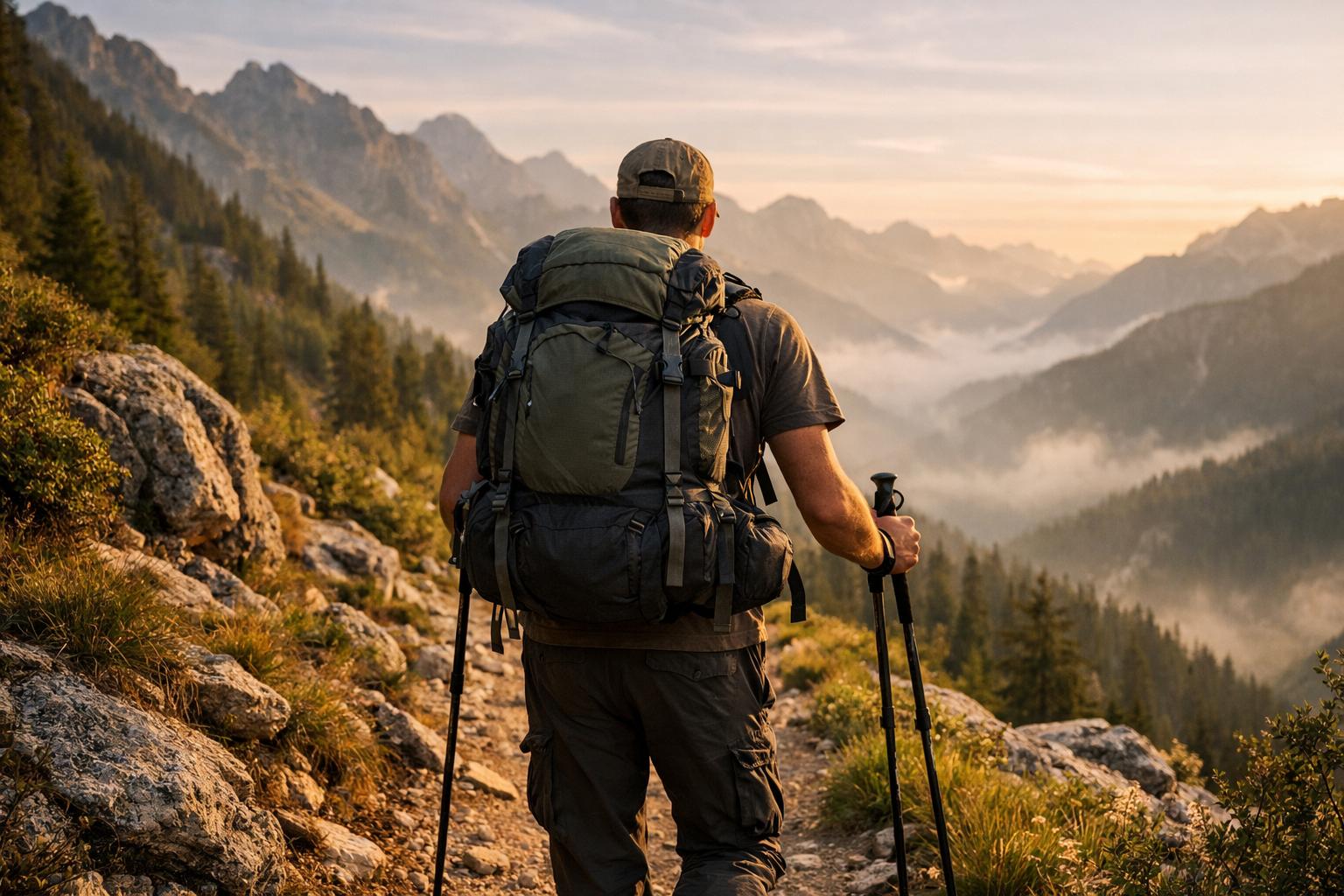
When trekking becomes more than just getting from point A to point B, the adventure takes on a special dimension. It's this quest for genuine connection with nature and local communities that drives many travelers to explore less-traveled routes. But how can you truly enjoy a meaningful trek?
Is it possible to go hiking alone and experience a true immersion?
Traveling alone on a hike can be liberating. However, questions of safety and integration arise. Small group tours, often led by a local guide, facilitate interaction and provide a reassuring framework while allowing for authenticity.
For those wishing to travel independently, it is crucial to carefully plan your itinerary, inform your loved ones, and rely on local contacts you meet along the way. While independence offers wonderful freedom, the richness of shared encounters and discoveries often remains at the heart of a successful experience.
Why are traditional routes showing their limitations?
Popular trails, particularly in the French Alps and the Pyrenees, have their appeal, but their increasing popularity often transforms these routes into crowded corridors. This overcrowding diminishes the feeling of solitude in nature, with mountain huts quickly becoming full and an atmosphere less conducive to exploration.
It is in this context that Europesurlefil , the European Continental Divide route, highlights journeys through unspoiled, still relatively unknown landscapes. For example, the Dinaric Alps offer wild and spectacular scenery, far removed from mass tourism infrastructure. These routes allow for a deep immersion in pristine nature, revealing the cultural richness and raw beauty of the area.
How to prepare for a successful trekking adventure?
- Choose competent support: An experienced local guide ensures safety and unlocks the doors to traditions and secret corners.
- Favor small groups: This optimizes comfort, limits the ecological impact and promotes more authentic exchanges.
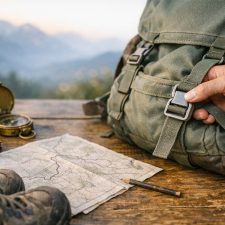
- Choose suitable equipment: Lightweight equipment, appropriate physical preparation, and good management of essential resources are indispensable.
- Respect the territory and its inhabitants: Responsible tourism commits the traveler to preserving natural environments and local ways of life.
Positive feedback from travellers who have experienced these approaches with players like Nomade Aventure or Terres Oubliées confirms that good preparation is essential to fully experience your adventure.
Where to start your trek for a first immersion in nature?
Choosing the destination is crucial. A good balance must be found between unspoiled nature and access to limited but effective infrastructure.
The Dinaric Alps are among the ideal terrains for a first major hike in Europe, thanks to their authenticity and low tourist traffic.
Furthermore, some trips offered by Autentika Voyages or Tamera promote immersion in traditional European societies, in territories that are still little explored, combining natural and cultural discoveries.
What meaning do we give to adventure travel today?
An adventure trip is, above all, about opening yourself up to the unexpected, stepping outside your comfort zone, and forging deep connections with nature and the people you meet. It's not just an exploration of landscapes, but a complete human experience.
For several decades, operators like Nomade Aventure have helped structure this approach, with a particular focus on safety and environmental impact. This also includes promoting public transportation and maintaining respectful relationships with the communities they travel through.
Commitments to respectful and sustainable tourism
Respect for the environment is now an integral part of any successful trekking experience. It is essential to choose offers that encourage:
- Small groups to reduce pressure on natural environments
- Links with local communities, fostering their economy while respecting their ways of life
- Respectful hiking practices, including waste management and biodiversity preservation
- Carbon offsetting for travel and the use of soft modes of transport
Adopting these principles enriches the experience and contributes to the preservation of the territories visited.
What does a price for a small group trek usually include?
A fair price reflects recognized expertise, long-term commitments, and quality service. Generally, it covers:
- Accompaniment by qualified local guides
- Complete logistics, including accommodation and meals in accordance with local culture
- Safe and environmentally friendly internal travel
- Routes carefully selected for their low traffic.
- Appropriate insurance
This framework is essential to ensure that the trek proceeds smoothly and that each stage is a moment of discovery.
Europesurlefil and the European Continental Divide line: a cross-border adventure
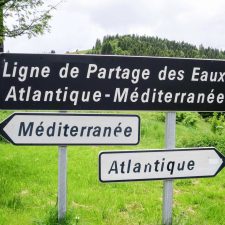
Europesurlefil, the trace of the European Continental Divide, embodies a demanding vision of a route traversing the soul of European landscapes and cultures. This watershed, which crosses fifteen countries, is much more than a simple natural boundary: it is an invitation to explore wild spaces, steeped in history and traditions.
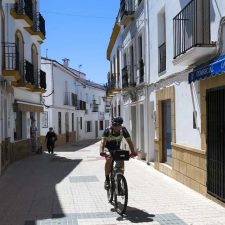
This multi-activity route integrates hiking, mountain biking, and skiing, thus renewing the outdoor experience. It invites travelers to immerse themselves in the diversity and power of the elements, far from overcrowding and classic tourist circuits.
Walking in this footsteps means opening yourself up to the stories of peoples, feeling nature in all its power, and experiencing a journey where each day holds its discoveries.
Recent comments