

Going hiking with friends in Europe is about committing to much more than just a route. It's about sharing a vibrant journey, filled with diverse landscapes and convivial moments. But how do you choose a destination that is both suitable for the group, enriching, and safe?
Why choose a group hike along the European Continental Divide?
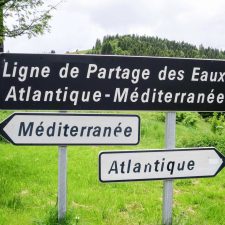
Hiking in a group along the European Continental Divide offers a unique experience, combining physical challenge, immersion in nature, and cultural discovery. This route, the true hydrological backbone of the continent, crosses landscapes of forests, mountains, and valleys, ideal for strengthening friendships.
Multi-day hiking trips offer a flexible pace, balancing exertion and rest, with stages that can serve as bases for exploring the surrounding area. However, it's important to adapt the routes to the varying abilities of the group.
How to select an itinerary that suits the abilities and desires of the group?
Choosing a relevant career path depends on several criteria:
- Physical level of the most modest To maintain group harmony, it is essential that the route takes into account those with the least endurance or experience. Adjusting distances, elevation gain, and technical difficulty prevents frustration.
- Duration available The longer the trip, the more varied the stages can be and the more frequent the breaks. However, be sure to maintain a good balance between walking and rest.
- Types of landscapes expected Some will prefer coastal hikes, others mountainous or forested environments. The diversity of the European Continental Divide offers this richness.
- Degree of organization : A route with booked accommodations simplifies logistics, while a more independent hike requires more preparation.
A good itinerary mixes these aspects so that everyone can fully experience their adventure.
Must-see European destinations for group hiking
Here are some routes suitable for a group, offering diverse landscapes and comfort for everyone:
| Destination | Type of route | Recommended duration | Main features | Advantages for a group |
|---|---|---|---|---|
| GR34 – Customs Officers' Path, Brittany | Coastal path | 7 to 10 days | Cliffs, beaches, sea views | Easy, many stages, various accommodations |
| GR10 – Pyrenees | Mountain | 10 to 15 days | Forests, lakes, cultural diversity | Network of shelters, adaptable sections |
| Tour du Mont-Blanc | Alpine, mountain | 8 to 12 days | Alpine panoramas, valleys, UNESCO site | The route is very well marked, ideal for mixed groups. |
| Saxon Switzerland National Park (Germany and Czech Republic) | Forests and rocks | 4 to 7 days | Rock formations, wildlife | Unspoiled wilderness, original route |
| High Tatras (Slovakia – Poland) | Mountain, natural park | 5 to 8 days | High peaks, glacial lakes | Comfortable shelters, biodiversity |
The GR34 in sections: discovering the Customs Officers' Path step by step
The GR34 trail follows the Breton coastline for over 2,000 km. Traversed in sections of 4 to 6 days, it allows you to fully appreciate the coastal scenery—cliffs, beaches—while visiting typical villages. Adapting each segment to your fitness level and the weather maximizes your enjoyment.
Booking accommodation in advance, especially during peak season, is highly recommended.
Mountain huts and guesthouses on the GR10: which option is best?
The GR10 trail crosses the Pyrenees, offering a beautiful combination of mountains, forests, and lakes. It features a network of mountain huts and guesthouses suitable for groups. Choosing a bed and breakfast in one of these huts fosters a friendly atmosphere while providing comfort and rest.
The shelters range from simple dormitories to private rooms. Advance booking is recommended during the tourist season.
GR10 or High Pyrenees Route: which crossing to choose?
The GR10 is a more accessible route, perfectly marked, ideal for a group of varying abilities. The Haute Route remains more challenging and technical, recommended only for experienced hikers looking for a challenge.
Practical tips for a smooth and adapted organization
Adapt the route to the pace of the least experienced.
The success of a group hike depends on taking everyone's abilities into account. Rather than slowing everyone down, it's better to choose a realistic route, prioritizing less demanding stages and incorporating regular breaks.
Book accommodations in advance
To avoid any stress, it's wise to book guesthouses and mountain huts in advance, especially during peak season. This ensures a stable pace for the group.
Organize a clear day-to-day schedule
A detailed schedule contributes to cohesion, by including moments of walking, rest, discovery and conviviality.
Take care when packing your backpack
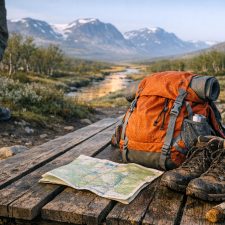
In addition to appropriate clothing, remember to bring a first aid kit, enough water, and shared equipment distributed among the group members (map, GPS, batteries, etc.).
Apps and platforms for hiking in groups or meeting companions
Several platforms facilitate meeting walking partners:
- RandoDate : community to organize outings and make hiking friends.
- Friends : a free platform for solo travelers and groups, with classified ads and secure outings.
- FriendHike : application dedicated to finding companions, managing outings and sharing routes.
The trail of the European Continental Divide: a unique cross-border adventure
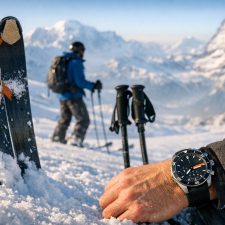
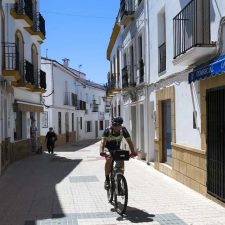
The European Continental Divide (ECD) is a watershed that crosses Europe from north to south, blending geographical diversity and cultural richness. This long-distance journey is a true odyssey where hiking intersects with other outdoor activities—mountain biking, kayaking, snowshoeing, depending on the season. It invites a deep immersion in nature, heritage, and encounters.
Through its marked trails, the ECD offers a demanding but accessible experience, adaptable to different levels and desires, particularly for groups of friends seeking an authentic and shared adventure in the heart of the continent.
What equipment is essential for a successful group hike?
- Shoes that are suitable for the terrain and well broken in
- Technical, waterproof, and layered clothing
- Backpack appropriate for the duration and balanced group load
- Complete first aid kit
- Maps, GPS or hiking apps
- Headlamp and extra batteries
- Shared equipment (tent, stove) in case of bivouacking
Organizing a safe group hike: key recommendations
- Inform a third party of the planned route and schedule
- Plan an alternative in case of unforeseen circumstances or adverse weather.
- Know the local emergency numbers
- Stay in the group and respect everyone's pace
- Having reliable means of communication (telephone, radio)
Recommended difficulty levels for a mixed group
- Easy : < 10 km/day, low elevation gain, well-marked trails — ideal for beginners or a relaxing outing.
- AVERAGE : 10-20 km/day, 300-700 m elevation gain, varied terrain — suitable for walkers in good physical condition.
- Difficult : > 20 km/day, significant elevation gain, technical trails — reserved for experienced athletes.
Adapting breaks and pace to fatigue and conditions is a factor in the success of the experience.
Finalize your choice of hiking destination
The secret to a successful trip is understanding the group's expectations and capabilities. The diverse landscapes of Europe offer a variety of options, from forests and mountains to coastlines and natural parks. Choose well-marked routes with good accommodation facilities.
Whether it's the GR34 in Brittany, the GR10 in the Pyrenees or the stages along the European Continental Divide, each route can offer a collective adventure rich in discoveries and sharing.
Recent comments