

Are you considering a multi-day trek in Europe? This decision requires careful thought: which route matches your physical ability, your availability, and your actual expectations? Europe offers a wide variety of trekking trails, from classic hut-to-hut treks to self-supported bivouac crossings.
The real question isn't "what is the perfect trek?" — it's more like "which trek matches what I'm actually capable of doing, and what I'm really looking for?"
Why undertake a trek in Europe rather than elsewhere?
A trek in Europe is a multi-day immersion in regions that blend wild nature, cultural heritage, and structured adventure. Unlike far-flung expeditions, you can access remarkable landscapes without crossing half the globe.
France, Italy, Sweden, Iceland, and Scotland are home to benchmark routes. Each region offers a distinct personality: the French Northern Alps, the Italian Dolomites, a UNESCO World Heritage Site, the wild high plateaus of the Vercors, and the Nordic landscapes of Sweden.
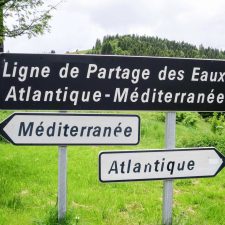
Many of these routes follow natural or historical lines across the continent. The Europesurlefil route, for example, follows the European watershed through 15 countries. Others trace natural borders or historical paths. This dimension adds a unique educational and emotional richness to European hiking.
The different levels of trekking: find your level
Before consulting specific routes, honestly assess your physical condition and expectations.
Easy trek (beginners)
- 3 to 5 hours of walking per day
- Minimal elevation gain (less than 500 m)
- Accommodation in a mountain refuge or gîte
- Examples: certain sections of the West Highland Way in Scotland
Moderate trek (intermediate level)
- 5 to 7 hours of walking per day
- 600 to 1000 m of daily elevation gain
- Good physical condition required
- Examples: Laugavegur in Iceland
Challenging trek (for experienced trekkers)
- 7 hours or more of walking per day
- Significant elevation gains (1000+ m)
- Often in a bivouac or isolated refuge
- Experience and autonomy required
- Examples: crossing the Vercors, high plateaus
Duration also matters. A 3- to 5-day trek is doable over a long weekend. An 8- to 10-day trek requires a full week. For longer treks (15 days or more), you should allow at least two weeks, including travel time from your home.
The must-see routes in Europe
Laugavegur in Iceland: Rainbow Mountains
The Laugavegur is among the most popular trekking routes in Europe. The trek is generally completed in 3 to 4 days, with the possibility of extending it according to your preferences.
The landscapes live up to its reputation: multicolored mountains, steaming geysers, breathtaking waterfalls, and lava fields covered in green moss. The main challenge is Iceland's unpredictable and changeable weather. Conditions can change rapidly even within a single day.
Level : moderate | Season : June to September | Duration : 3-4 days
The Tour du Mont-Blanc: crossing three nations
The Tour du Mont-Blanc is one of the most famous trekking routes in Europe. Approximately 10 days of walking cross France, Italy and Switzerland, with Mont Blanc dominating the panoramas.
This is a high-mountain trek that remains accessible without technical climbing equipment. The variety of landscapes—forests, alpine pastures, mountain huts, small villages—makes it a well-deserved classic. The complete route involves approximately 10,000 meters of elevation gain, depending on the chosen itinerary.
Level : moderate to demanding | Season : June to October | Duration : approximately 10 days
The Dolomites in Italy: unique rock geometry
The Dolomites, a mountain range in northern Italy, are a UNESCO World Heritage Site for their exceptional geological formations. The landscapes are unlike any other in Europe: vertiginous rock towers, mountain lakes, and mineral slabs in improbable shapes.
Several trekking routes cross the region. The duration varies from 4 to 6 days depending on the exact route chosen. Mountain huts offer good comfort. The different routes include sections of varying difficulty depending on your fitness level.
Level : moderate to demanding | Season : June to October | Duration : 4-6 days depending on the itinerary
Crossing the Vercors in France: plateaus and cliffs
The Vercors is a little-known mountain range located between the Alps and Provence. A trek between cliffs and high plateaus, particularly appreciated by those seeking self-sufficiency while camping. Typical duration: 3 to 4 days of hiking.
This route attracts hikers seeking a more introspective experience. Less frequented than the main Alps, the Vercors offers an authentic atmosphere and landscapes characteristic of the pre-Alps.
Level : demanding | Season : May to October (September is ideal) | Duration : 3-4 days
The Kungsleden in Sweden: Nordic immersion
The Kungsleden is a famous trail in Swedish Lapland. The complete route covers 440 km. For a first experience, a 5-day section, for example between Abisko and Kebnekaise, offers a comprehensive introduction to this type of trek.
The trek's features include crystal-clear lakes, birch forests, and wide-open vistas. In summer, you'll experience the midnight sun. In autumn, the colors of the Nordic landscapes are breathtaking. This trek appeals to those seeking solitude and immersion in nature.
Level : moderate | Season : July to September | Duration : 5-10 days depending on the section
How to prepare for your trek: practical questions
What equipment is needed for this route?
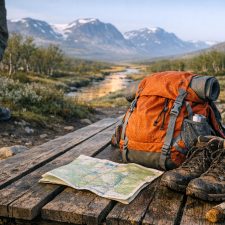
The weight of your backpack depends entirely on your route:
- Trekking in mountain huts: bag weighing 8 to 12 kilos (you only carry everyday items)
- Self-guided trek with bivouac: 15 to 20 kilos (you carry tent, sleeping bag, food)
Essential equipment includes:
- Quality hiking boots (the most important investment)
- Backpack adapted to your size and load
- Layered clothing (avoid cotton)
- Water bottle or hydration system
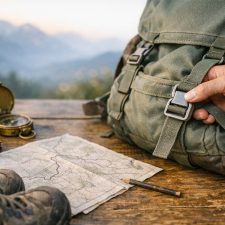
- paper map and compass
- Basic first aid kit
- Headlamp and backup battery
- Repatriation insurance recommended
When is the best time to go to make the most of it?
The optimal times vary depending on the region:
- Iceland: June to September (less extreme weather)
- French Alps and Dolomites: June to October
- Vercors: May to October (September recommended)
- Sweden: July to September
- Scotland: May to September
Generally, treks in the European mountains are best enjoyed from June to October. September offers a good balance: stable weather, fewer crowds, and enchanting scenery. Avoid the peak tourist season in August if you're looking for peace and quiet.
Duration and organization of time
Plan your realistic availability:
- 3-5 day trek: doable over a long weekend
- 8-10 day trek: requires a full week
- Long crossing (15+ days): allow a minimum of two weeks including travel time.
Remember that you never walk 24 hours a day. A day of trekking includes walking, breaks, accommodation, meals, and rest time.
Accommodation: mountain refuge, guesthouse or bivouac?
Each option changes the experience:
- Refuge or gîte: Comfort, warmth, hot food. Reassuring for beginners. Reduced bag weight.
- Bivouac: Total freedom, complete autonomy. Bag weight increases. More physically and mentally demanding experience.
Many trekking routes in Europe offer an interesting compromise: spaced mountain huts allowing walking without excessive load, with a return to comfort in the evening.
Before you leave: essential information
Checks with local authorities: Some areas may have seasonal restrictions, permits, or authorizations. Check with local authorities and the websites of the relevant national parks before you travel.
Safety and responsibility: This information is provided for guidance purposes only. Consult local authorities, check weather conditions and access routes before each trek. Repatriation insurance is strongly recommended for all mountain treks.
Physical conditions: Consult your doctor before undertaking a demanding trek, particularly at altitude.
What characterizes a true trekking experience
A trek differs from a day hike. It's a continuous immersion, a complete change of pace. You don't return home at night—you sleep wherever the day has taken you. This continuity creates a lasting relationship with the landscape, the people you meet, and yourself.
Many trekking routes in Europe follow natural or historical lines: watersheds, natural borders, historical paths. This dimension gives meaning to the route beyond the simple sporting aspect.
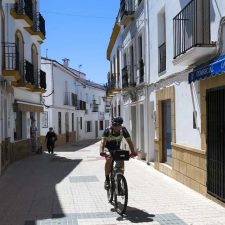
Europesurlefil illustrates this approach by following the European Continental Divide across 15 countries — the hydrological line that structures the continent. This type of route combines hiking, trail running, mountain biking, and bivouacking within a coherent geographical framework.
In conclusion: choose your trek wisely
Choosing a trek depends on three things: your actual physical condition, the time you have available, and your deepest expectations. Are you looking for solitude or encounters? Extreme landscapes or gentler paths? A physical challenge or a break from everyday life?
The routes mentioned offer a variety of answers to these questions. Everyone can find a trek that suits their profile.
The essential thing remains this: to make the decision to leave the daily routine for a few days or weeks and follow a path to where it leads.
Recent comments