

Do you dream of trails winding through legendary mountains, hidden villages tucked away in valleys, and breathtaking panoramas that justify every step? Europe offers something few continents possess: an extraordinary density of exceptional hikes, accessible and deeply rooted in vibrant cultures. From the frozen north of Norway to the Greek islands, the variety is breathtaking.
But here's the dilemma: where to begin when talking about hiking destinations in Europe? How to choose between the GR20 in Corsica and the Kungsleden in Sweden? Between a three-day trek and a two-week expedition?
Why Europe remains the best destination for long-distance hiking
Before recommending specific trails, it's important to understand what makes European hiking so special. It's not just about beautiful scenery, although that's obvious.
It's the unique balance between unspoiled nature and human infrastructure . You can hike for eight hours in a remote mountain, then sleep in a comfortable inn with panoramic views of the valley. Mountain villages in Europe aren't tourist museums; they're living places. People have been cooking, working, and living there for generations.
There's also the question of distance. The best hikes in Europe don't require a three-month expedition. A two-week trip allows you to cross several countries, following real trails with history, not just leisurely loops. This is an interesting contrast to other continents where long treks demand more time and logistics.
Finally, there's a dense network of marked trails, often maintained for decades. Even if you do get lost while hiking, you're never really lost for long. That's reassuring when you're exploring the unknown.
The classics: when we talk about hiking in Europe, where do we start?
There are trails that have become must-sees, almost obligatory. You may have already seen them on social media or in travel magazines. They deserve their reputation, but not for the reasons you might imagine.
The Tour du Mont-Blanc: the most famous hike
This legendary trek crosses France, Italy, and Switzerland around the Mont Blanc massif. Allow seven to ten days for the complete route, with stages of six to eight hours of walking. The views of Mont Blanc are, of course, spectacular, but what surprises hikers is the intimacy of the alpine landscapes: high-altitude lakes, mountain huts built into the mountainside, and Italian villages that appear after a challenging descent.
The departure point is Chamonix. The best time is June to September, when the snow has melted but before the tourist crowds of August.
The GR20 in Corsica: for ambitious hikers
This is perhaps one of the most challenging hikes in Europe. The GR20 crosses Corsica from north to south for approximately 180 kilometers, with an elevation gain that will deter many. Expect twelve to fifteen days of intense hiking, averaging six to eight hours per day, often on rocky and exposed terrain.
But hikers who have done it will tell you the same thing: it's justified. The Corsican mountain landscapes are raw, uncompromising, with a wild beauty found nowhere else in France. You are alone, or almost, with the trail and the silence.
The Chamonix-Zermatt Haute Route: for experienced mountain hikers
This route connects two legendary Alpine villages across high mountain passes, offering a complete immersion in the Alps. The trek takes an average of ten days, with stages lasting seven to eight hours. It's challenging, but the reward is a pure Alpine traverse, far from roads, almost entirely above 2,500 meters in altitude.
The lesser-known gems: before taking the beaten path
If you are looking to escape the crowds without sacrificing the quality of the scenery, here are some less crowded but equally remarkable hiking destinations in Europe.
Crossing the Carpathians in Romania
In the heart of the Romanian Carpathians, you'll find trails that offer an almost timeless experience. Romanian mountain villages still retain an authentic pastoral way of life. Hikes vary in difficulty, from easy to very challenging, and can last several days. The country's beauty lies in its contrasts: dense forests, open alpine meadows, and a fascinating mountain culture. It's a European hiking destination that remains accessible without being overcrowded.
The Seven Hanging Valleys Trail in the Algarve, Portugal
For something completely different, this Portuguese coastal trail offers a three- to five-day hike along dramatic cliffs and hidden beaches. The terrain is less technical than the GR20, but the atmosphere is just as stunning. You end each day's walk with a plunge into the Atlantic Ocean, which is not typical for a mountain hike.
The West Highland Way in Scotland
This is one of Britain's most popular trails, but that doesn't diminish its charm in the slightest. The six-day trek, from Glasgow to Fort William, traverses stunning Scottish moors, lochs, and rugged mountains. The weather is unpredictable, but that's part of the adventure. Small Scottish villages offer warm hospitality and pubs perfect for warming up after a day's walk.
How to choose your hike: the real questions to ask yourself
Before booking your trip, you must answer a few essential questions honestly.
What is your level of difficulty?
There's no shame in seeking out an easy or moderate hike. Difficulty doesn't determine the quality of the experience. A three-hour walk around Plitvice Lakes in Croatia offers spectacular water scenery without leaving you exhausted. Conversely, Kjeragbolten in Norway requires a certain level of fitness and confidence at altitude.
Be honest about your abilities: can you walk six hours a day for a week? Are you comfortable in exposed mountain terrain? Do you have experience with bivouacking or do you prefer mountain huts?
How much time do you have?
A three-day trip allows you to discover short but intense trails. A week opens the door to more demanding treks. Two weeks is the ideal time for long-distance treks. The more time you have, the more you can relax, let your body adapt, and enjoy the detours.
What type of landscape really appeals to you?
Do you prefer snow-capped peaks, alpine lakes, rocky coastlines, ancient forests, or flowery meadows? Each European hiking destination offers a different atmosphere. The Alps are not like the Balkans. Sweden is not Greece. This should guide your decision as much as the difficulty level.
What is the best time of year?
June to September covers most of the optimal conditions for mountain hiking in Europe. But each region has its own nuances. Norway opens its trails later, in July and August. The Mediterranean is wonderful from April to May and from September to October. Iceland has its short summer window in July and August.
A new perspective on cross-border hiking in Europe
One of the greatest advantages of hiking in Europe is the ability to cross borders on foot. You leave one country for a week, cross two others, and return to the first. These long-distance routes tell the story of the continent in a way that guidebooks simply can't.
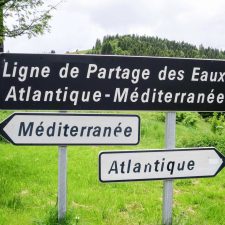
This is precisely what Europesurlefil , the European Continental Divide Trail , explores: following the European watershed across 15 countries. This type of journey doesn't just showcase beautiful landscapes. It reveals how rivers, mountains, and cultures intertwine across Europe. It offers a different perspective on what it means to be a hiker in Europe: not just ticking off peaks on a list, but understanding the connections that bind the continent together.
Common mistakes to avoid
Before you set off, here's what experienced hikers would tell you after one or two bad experiences.
- Never underestimate the weather. Even in summer, the European mountains can be hostile. Bring more layers than you think you'll need.
- Don't set off without proper physical preparation. A week-long hike isn't the place to discover your limits. Train beforehand.
- Don't try to do too much in too little time. A ten-hour walk sounds appealing on paper. It's exhausting in reality.
- Don't start with the most difficult trek on the continent. Gradually build your experience and confidence.
- Don't neglect acclimatization. If you are ascending to altitude quickly, give yourself a day or two to adapt.
In practice: the pre-departure checklist
Good preparation transforms a decent hike into a memorable experience. Make sure you've taken care of these details:
- Detailed maps or a reliable GPS application downloaded offline.
- Reservations at mountain huts or hostels, especially in high season.
- Training adapted to the difficulty and distance of your chosen trail.
- Travel insurance including mountain rescue.
- Appropriate equipment: broken-in hiking boots, multi-layered clothing, rain protection.
- Headlamp and external battery for phone.
- Tent or sleeping bag if you are sleeping in an unfurnished mountain hut.
Europe offers an extraordinary wealth of hiking destinations, accessible and profoundly rewarding. Whether you're looking for a physical challenge or a contemplative stroll, there's a trail waiting for you.
Recent comments