

Hello and thank you for visiting this guide dedicated to trekking . Embarking on a hiking trip is above all an invitation to explore nature at your own pace, savoring every moment. Whether you're drawn to the majestic panoramas of the Alps, the Vosges Mountains, or simply a rejuvenating stay in the heart of nature, there are routes suited to all abilities. Ready to lace up your hiking boots for your next adventure? This specialized website will help you prepare for your first trekking trip by answering your questions and offering ideas for a variety of great itineraries for a rich and safe experience.
Why choose an accessible trek for a first hike?
What is a trek for a newcomer?
A trek for a first-timer is characterized by an accessible route, without major technical difficulties or significant physical demands. These are trails with moderate elevation gain , well-marked paths, reasonable distances, and often accommodation options such as a mountain hut, farm, inn, or bivouac for the night. The goal isn't performance, but the joy of discovery and building self-confidence. Imagine yourself hiking in the Massif Central, on the high plateaus of the Vercors, or crossing the Jura Mountains, surrounded by fresh air and magnificent landscapes. Each day on these trails is an invitation to discovery and relaxation, ideal for a first week of hiking.
Tips for choosing your first trekking trip
To choose the right first trek, it's helpful to know what you're looking for and to be mindful of your abilities. Do you prefer a route in the mid-mountains or in the wilderness? How many kilometers are you willing to cover each day? Do you want to be self-sufficient with bivouac camping, or enjoy a stay with comfortable accommodations like a mountain hut or hostel? It's better to start with a simple and enjoyable activity rather than aiming too high.
Further on in this section of the article, you'll find must-see itineraries offering a variety of options to suit all tastes, catering to everyone's needs for a trip of 7 days or more. Feel free to return to this section to refine your choice.
Beautiful treks in France suitable for novice hikers
Must-see routes in natural parks and nature reserves
France offers a multitude of natural sites perfect for beginners. The Écrins National Park, with trails like the one to Lake Pétarel, offers gentle elevation changes and breathtaking views. Further south, the Southern Alps and the Mercantour National Park present suitable routes through forests, alpine pastures, and high plateaus, ideal for a first mountain hike.
The nature reserves of the Upper Aude Valley, the Queyras Valley, and the Cévennes mountains complement this offering with accessible, well-marked trails and remarkable biodiversity. These areas guarantee an authentic immersion, whether you choose to camp in a tent or stay in a mountain refuge. Don't hesitate to consult the detailed maps to plan your route within these exceptional natural parks. Thank you for your respect for these preserved places, which are treasures to be discovered with reverence.
Trails suitable for novice hikers
For a route suitable for beginners, here's what to prioritize:
- Moderate elevation gainideally less than 500 meters of positive elevation gain per day
- Clear signage to avoid any worries during your walk
- Accessible accommodations accommodations near the stages for added comfort, such as a mountain refuge, a farm or an inn
- Reasonable distances between 8 and 15 km per day depending on your pace
With these criteria in mind, hiking remains enjoyable and accessible, without excessive fatigue. You can fully appreciate the beauty of the mountain range, whether it be the central, alpine, or Jura range, by moving at your own pace. Take the time to appreciate the colors, the flowing streams, and the rest areas that dot your route. Good planning of your day guarantees a successful experience.
Europe on the wireThe trail of the European Continental Divide, a unique adventure to discover
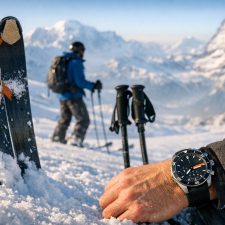
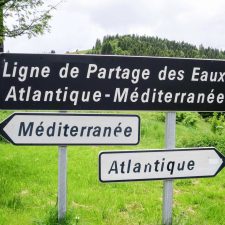
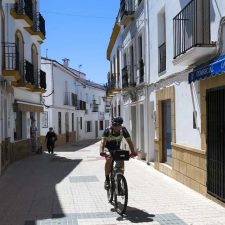
For a unique experience, Europesurlefil offers a long-distance trek along the European Continental Divide, the legendary line that separates the waters of the European continent. This route crosses 15 countries, combining hiking, trekking, skiing, mountain biking, and much more. For a curious beginner, it's a unique way to discover a wild and culturally rich Europe, through diverse and unspoiled landscapes.
This trail is designed for an environmentally conscious immersion, ideal for those who wish to combine exploration with eco-responsible engagement. Why not consider a first trip that follows the hydrological backbone of Europe?
How to best prepare for your first trek?
Appropriate physical preparation
You don't need to be a seasoned athlete, but gradual preparation makes all the difference. Start with regular walks, slowly increasing the duration and elevation gain. Brisk walking, leg strengthening exercises, and a little running will help you approach your trek with confidence. The goal is to arrive on the big day feeling confident and without excessive fatigue. Take your time and don't hesitate to consult a professional if you'd like a specific training program. Thoma, a hiking expert, recommends personalized preparation to help you get the most out of your adventure.
Essential equipment for a successful freedom hike
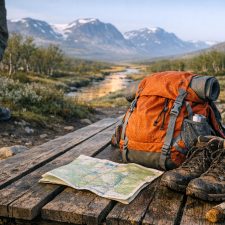
Having the right equipment makes all the difference. Don't overlook:
- Sturdy trekking shoes and comfortable, adapted to your foot and the terrain
- Lightweight backpackwith a capacity of 20 to 30 liters for a short stay
- Technical clothing, in several layers to manage temperature variations, especially in high mountains
- Sun protection hat, sunglasses and sunscreen
- Basic equipment : water bottle, energy snacks, first aid kit and map of the region
If you'd like to try winter trekking, remember to bring snowshoes and other snow gear. Be sure to check the maximum expected altitude and weather conditions before setting off. Water is an essential element that should never be overlooked on your hike.
Practical tips for the day of your hike
On the day of your trek, remember to stay well hydrated and eat regularly , even if you don't feel thirsty. Opt for easily digestible snacks like dried fruit or energy bars. Maintain a comfortable pace without pushing yourself too hard. Don't hesitate to take breaks to enjoy the scenery and recharge. Trekking is also a time for pleasure and relaxation. Thank you for paying attention to these details; they make all the difference for a great day on the trails.
Essential criteria for choosing the ideal trek
Difficulty and physical condition
The difficulty depends on the elevation gain , the length of the stages, and the terrain. Honestly assess your physical condition and past experiences. It's better to start with an easy, manageable trek than to embark on an overly ambitious adventure that could be discouraging. Choosing a mountain range like the Jura, the Vosges, or the Northern Alps can offer a good compromise between challenge and enjoyment, taking into account your desired level of comfort.
Duration and type of route
For your first trek, opt for shorter routes, such as a 7-day trip, with well-defined stages. Loops that return to the starting point are practical, as are linear routes with organized transport, such as a departure station close to your arrival point. Flexibility and enjoyment remain essential for a good experience. The Tour du Mont Blanc is an excellent recommendation for those seeking a gradual challenge.
Departure location and accessibility
Choose an easily accessible starting point, near a train station or a well-connected road. This simplifies logistics and avoids unnecessary complications. Natural parks near major cities or regions like the French Riviera often offer good options. For example, the Jura Mountains are accessible by train and offer a variety of accommodations, making your arrival and departure easier. This also makes your trip more enjoyable.
Take weather conditions into account
The weather can change everything. Check the season and local forecasts, and be prepared to adjust your itinerary if necessary. Sometimes it's better to postpone an outing than to take unnecessary risks. In October, discovering the mountains in their autumn colors offers a magnificent setting, but requires careful preparation. Always check the weather forecast before you leave.
When to go hiking? The best times for a successful trek
Why choosing the right season is important
The season directly influences your comfort and safety . In summer, especially July, the days are long and the trails are clear, but the heat can be a factor to manage. In spring or autumn, such as October, temperatures are milder, the landscapes often more colorful, although the risk of rain is higher. Thoma, an experienced guide, emphasizes the importance of choosing the right time of year to optimize your experience.
Focus on summer and October
July is often an excellent time for many hikers in France, with stable weather and favorable conditions. July remains ideal for easy trekking: stable weather, lush nature, and numerous accommodation options. October, with its autumn colors, offers a calmer atmosphere and fewer crowds. Each season has its advantages, and your choices will depend on your preferences and comfort level. Please take these aspects into account for a successful trip.
Tips for anticipating weather conditions in November
In November, conditions can be cooler and wetter. Before you leave, check the local weather forecast. Pack appropriate clothing, as well as protection against rain and cold, because the mountains can hold surprises even at the beginning of the season. Good preparation avoids many unpleasant surprises. The specialized blog you are reading encourages you to always take these factors into account for a successful trip. Thank you for reading carefully.
Getting started with multi-day hiking: tips for a successful first week
Choose a suitable route
For your first multi-day hike, choose a route with short stages , regular accommodation (farms, mountain huts, hostels), and clear trail markings . Starting with a guided or group trek can also offer greater safety and a more social experience. The Stevenson Trail, the Great Alpine Crossing, or the Great Jura Crossing are ideal options. The Tour du Mont Blanc, while more demanding, can be undertaken with good preparation and proper organization. Thoma recommends carefully planning each stage to fully enjoy the experience.
Managing your backpack and equipment
A well-organized and lightweight pack is key to a successful trek. Pack only the essentials, distribute the weight evenly, and test your pack before setting off to avoid discomfort. Every gram counts on a self-guided hike, especially if you're planning to camp in the wilderness. Remember to manage your water intake carefully to stay hydrated throughout your trek.
Organizing for overnight stays and stages
Remember to book your accommodations in advance, especially during peak season. Also, prepare your food: a hot meal in the evening and snacks for the day. Good planning simplifies the trip and allows you to fully enjoy each stage, whether you're in the Massif Central, the Southern Alps, the Jura Mountains, or even in Saint-Maurice, a charming spot for a break. The option of alternating between mountain huts and bivouacs offers a rich and varied experience.
Ready for an adventure? Beginner trekking is waiting for you. For a unique and enriching experience, try Europesurlefil, the European Continental Divide trail, and explore the diverse European landscapes with a fresh and engaged perspective. Don't hesitate to check out this blog for more ideas, tips, and specialized articles that will meet your needs. Thank you for taking the time to read this article, and happy hiking!
Recent comments